


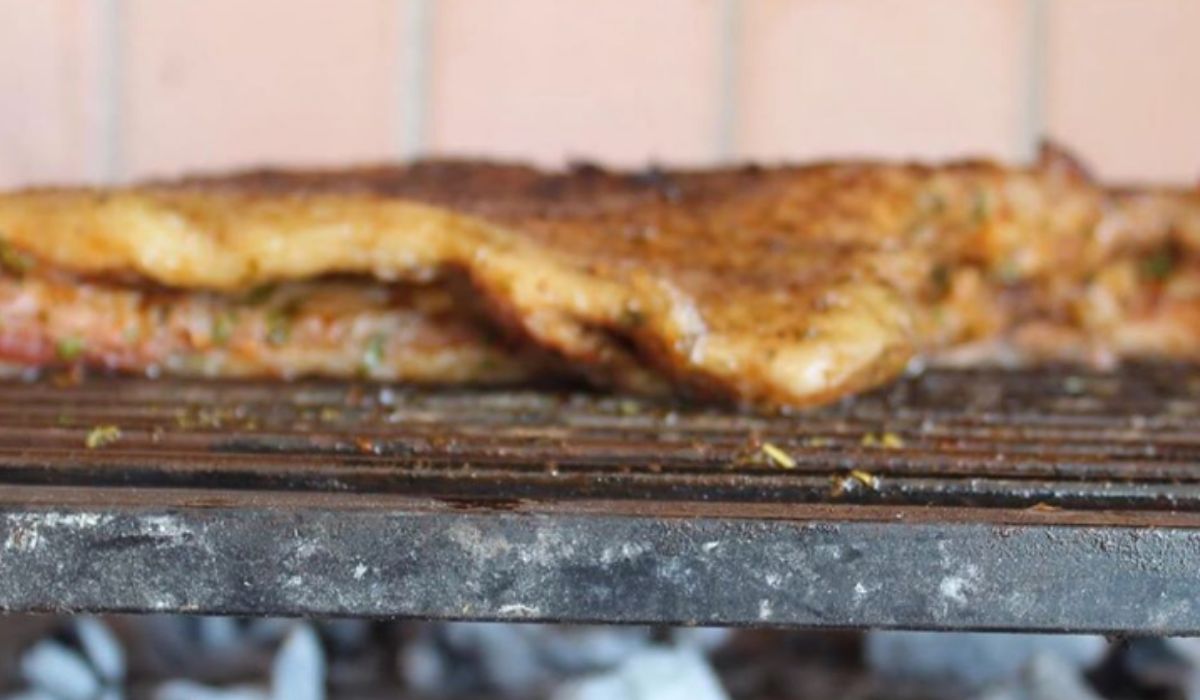
Flank Steak vs. Flap Meat: The Underbelly of the Argentinian Asado
The U.S. grilling landscape is a roadmap of flavors and techniques. Lately, it has broadened southbound, embracing new charcoal-fueled traditions, from Mexican carne asada to Argentine asado.
Grilled meat is universal, but the cuts, tools, and techniques are unique. Matambre and vacío are two centerpieces of the Argentinian asado ritual. While often linked to flank steak and flap meat, these cuts come with challenges of their own; challenges that the Argentinian technique is engineered to address.
The first step towards finding the right approach? Understanding the differences between flank steak and flap meat. The second one? Mastering charcoal thermodynamics… And having an Argentinian grill that lives up to the task.
In this article, we’ll analyze the muscles that make up flank steak and flap meat through the lens of Argentine butchery, to help you bring the true Argentine steakhouse experience into your backyard.
It’s all in the muscle: the physiological foundations of grilled meat
Flank steak and flap meat are cut from the underbelly of the cow; that is, from its abdominal wall. This section combines a whole set of muscles, designed to support the internal organs. Because of its function, the underbelly has a high content of connective tissue, causing intense flavor and benefiting from long-and-slow grilling.
Two of the main muscles of the abdominal wall are the rectus abdominis and the obliquus internus. The first one is found in flank steak, while the obliquus is one of the many muscles that make up the flap meat. As they have different features, these cuts require different grilling and slicing techniques to truly shine. Here’s what you need to know about them:
Flank Steak (Rectus Abdominis)
The rectus abdominis is a flat, oval muscle located in the lower abdominal wall, in front of the hind legs. This is a heavily exercised muscle with long, tightly bound fibers. It is leaner than other cuts of the zone, making it unforgiving when overcooked.
In Argentina, flank steak joins flap meat into the famous vacío steak, a cut composed of both the rectus abdominis and the obliquus internus, as well as the skirt. However, it is sometimes confused with Argentinian matambre, a cut located between the skin and the ribs that is obtained from the cutaneous trunci muscle.
While both are thin, flavorful, and come from the same primal, the cutaneous resembles a broad, flat sheet, contrary to the ribbon-like rectus. The cutaneous trunci is also a heavily exercised muscle, and can be tough if not grilled properly.
Pro tip N° 1 → Learn how to grill Argentinian vacío to perfection, step-by-step.
Flap Meat (Obliquus Internus)
Flap meat is the better half of the flank steak when it comes to the vacío steak, but it can fend for itself well enough. Also known as bavette or bottom sirloin flap, it comes from the obliquus internus, a flat, leaf-shaped muscle with a fleshy part (the flap meat).
This muscle features a loose, coarse grain and a significant amount of intramuscular fat that soaks up marinades and renders slowly, releasing flavor and juice into the meat fibers. While thicker than the rectus abdominus, the obliquus still requires low-and-slow grilling to tenderize. Still, it is more forgiving when overcooked, thanks to its marbling.
Pro tip N° 2 → Craving for a mid-week treat? Enjoy the Argentinian steakhouse experience with our guide on Argentinian beef steaks and their U.S. equivalents.
The Hunger-killer and the Void: Matambre and Vacío Steaks
One of the major challenges to overcome when trying Argentinian cuts on the grill is the semantic and morphological bridges between butchery styles.
U.S. and Argentine butchers prioritize specific features when slicing the prime, resulting in different cuts… with different names.
When it comes to the underbelly, U.S. barbecue may include flank, flap, and skirt steaks. Asado, on the other hand, has its underbelly staples: vacío (‘void’), matambre (hunger-killer), and entraña (the inners).
While roughly equivalent to their American counterparts, ordering and grilling the Argentinian cuts can be challenging for those new to asado. (Our guide on Argentine grilled meat may come in handy).
We have discussed elsewhere how to grill entraña (skirt steak), Argentine-style. Now we’ll focus on vacío and matambre, the ideal grilling technique for each cut, and why you should save space for them on your next Sunday barbecue.
Vacío (“Flank Steak”)
In most U.S. butcheries, the underbelly is sliced into single-muscle cuts. Flank, flap, and inside skirt are sold separately, while in Argentina, they are all part of one multi-muscle cut: the vacío or ‘void’ steak.
Often sold as “flank steak”, true Argentinian vacío combines the rectus abdominis (flank), the obliquus internus (flap), and the transversus abdominis (inside skirt) into a large, triangular cut, weighing around 8 pounds. Its size makes it a staple for large gatherings, as asados traditionally are.
This is a sheet-like cut, mostly thin but with a thicker end corresponding to the bavette. The vacío also comes with a fat cap that shields the meat and bastes it as it renders over 90-minute low-and-slow grilling sessions, ensuring beefy flavor, juiciness, and a crisp crust.
Grills with V-shaped grates (like Gaucho Life’s) are key to this, as they channel drips away, letting the fat render slowly without flare-ups or acrid smoke that may ruin the final result.

Pro tip N° 3 → Look for vacío in specialized retail stores or ask for the whole bottom sirloin primal, making sure the fat cap is left intact. The latter is a non-negotiable for creating the crispy crust known as cuero.
Matambre (Thin Flank)
The Argentinian grilling tradition is known for leveraging most parts of the animal, from offal to muscles not commonly found in other butchery styles. One of these? The cutaneous trunci (aka the “fly shaker”), which is cut into the matambre, literally meaning ‘matar el hambre’ (to kill the hunger).
This is a thin rib muscle from the flank, roughly similar to a very thin flank steak or (in specialized retailers) rose meat. It earned its name because it’s usually one of the first cuts off the grill, effectively “killing” the hunger of the asado’s guests.
In Argentina, you can find beef matambre and pork matambre. Both cuts come from the same muscle and can offer equally flavorful, tender results when handled correctly. However, pork matambre cooks quicker and doesn’t require the same level of care as beef matambre, making it the ideal cut for beginners.
Matambre is a versatile cut that works across multiple cooking styles. The classic Argentinian one? Matambre a la pizza: a preparation where the meat serves as a base for tomato sauce, mozzarella, and other pizza toppings. Preparation isn’t particularly difficult, but it requires precise heat management to melt the cheese without burning the cut.

Pro tip N° 4 → Pork matambre is grilled relatively fast (15-20 minutes per side) over medium-high heat, on an Argentine grill. Beef matambre is cooked slowly, over medium-low heat, folded over itself so it bastes in its own juices, for a more tender result.
Thermodynamics: Mastering the Maillard Reaction
Most Argentine underbelly cuts are relatively thin, with a generous fat cap and a coarse grain. Consequently, they require three things to produce mouth-watering results:
-
Low-and-slow grilling, over medium heat.
-
Against the grain slicing.
-
Even fat rendering and crust formation
These are the staples of a flank steak, flap meat, or matambre that melts in your mouth. While the first two depend largely on your grilling technique, the last one is entirely up to your grill.
Engineering Surface Magic
The Maillard reaction is a key part of what makes a nicely crusty beef cut. This is a chemical process where proteins and sugars denature through heat, producing a deep brown caramelized crust that concentrates flavor and delivers a more complex sensory experience.
But producing the Maillard reaction on a beef cut is more than just throwing the meat on the grill and waiting for the magic to happen. The grates, for instance, should be piping hot (above 285°F) and clean to prevent tear-ups or burned spots. Patting the cut dry is also key, as moisture may vaporize and steam the meat, retarding caramelization.
Keep in mind that the Maillard reaction doesn’t mean burning the meat. That’s why you should look out for grease drops when grilling highly marbled or fat-capped cuts, as they can produce flare-ups, causing acrid smoke or a bitter char.
Conductive vs. Radiant Heat
V-shaped grill grates, typical of Argentinian grills, help you optimize the Maillard reaction. Thanks to their geometry, they transfer heat primarily through conduction, cooking the meat by direct contact with hot steel rather than relying solely on ambient radiant heat.
The increased contact surface area promotes uniform, edge-to-edge browning with diffuse grill marks. At the same time, V-shaped grates act as thermal reservoirs, absorbing and radiating heat back toward the meat to support even cooking.
A third advantage, especially when grilling flank steak and flap meat, is fat management. The V-channels redirect grease drips away from the fire, preventing it from reaching the hot fuel below. This results in flare-up-free grilling and cleaner combustion, producing a subtler flavor profile that brings out the best qualities of Argentine vacío or matambre.
Pro tip N° 5 → Learn more about why grill grates make the difference with our comparative guide on V-grates vs. round rod grill grates.
The Gaucho Life Solution: Precision in Every Sear
So what should the perfect grill have to properly cook underbelly cuts? At Gaucho Life, we’ve narrowed the features that truly impact the final result down to three core elements (because, as you know, three is the charm):
-
Height adjustment. Adjustable grates, like the ones you find in Santa Maria grills, let you control temperature visually, raising or lowering them to dial in precise heat. This simplifies the slow rendering of vacío and helps ensure your matambre a la pizza stays tender and juicy, with a crisp underside and a melted cheese cap.
-
Heat generation. Argentine asado relies on charcoal to produce a more authentic experience and subtle smokiness. However, hours-long charcoal grilling requires dedicated hardware. An iron Argentine brasero set alongside the main grate allows you to generate fresh embers continuously, keeping your cooking zone clean and your heat output consistent.
-
Grease management. Pitched V-grates guide fat away from the fire into a dedicated tray, eliminating flare-ups and protecting the flavor integrity of the meat. While they can require specific tools for proper cleaning, this grate design elevates control over combustion, ensuring cleaner flavors and a deep brown crust, not a carbonized, coal-black surface.

Pro tip N° 6 → Use your height-adjustment system strategically. After searing a thick, marbled bottom sirloin flap, raise the grates to let convective and radiant heat finish the interior gradually while the fat renders at a controlled pace.
FAQs
Still curious about the differences between flank steak and flap meat? Here are answers to some of the most common questions we hear. If yours isn’t listed, feel free to reach out. We’re always happy to help!
Is flap meat the same as flank steak?
No, flap steak and flap meat aren’t the same, although they come from the same primal. The flank steak is a thin cut that is sourced from the rectus abdominis muscle, while the flap meat is a thicker, rectangular cut that comes from the obliquus internus muscle.
Why does the vacío take longer to cook than a standard flank steak?
Argentine vacío takes longer to cook than a standard U.S. flank steak because it is a multi-muscle cut that overlaps the flank, flap (bottom sirloin), and the inner skirt. Consequently, it contains a higher amount of connective tissue and collagen that must break down gradually over low heat to prevent toughness and produce a juicy, tender bite.
What is the "against the grain" slicing technique, and why is it mandatory?
“Against the grain slicing” refers to cutting the meat perpendicular to its muscle fibers. This shortens the individual fiber bundles, reducing chew resistance and making each bite noticeably more tender. It’s an essential step when serving cuts with long, tight grain, such as flank steak or flap meat.
Can I cook vacío without an Argentine-style V-grate?
You can grill Argentine vacío without V-shaped grates. As a matter of fact, some gaucho grills come with round rod grates. However, V-shaped grates offer greater control over fat management and heat distribution. They promote more even browning and a cleaner combustion profile, ultimately producing a more consistent final result.
What is the best way to prepare Matambre a la pizza on a grill?
The best way to prepare matambre a la pizza on a charcoal grill is:
-
Bring the grill to 375-450°F (6-7 seconds with the hand test).
-
Place a thin (½ inch) pork matambre on the grill, meat-side down. Grill for 10 minutes.
-
Raise the grates (if using a Santa Maria grill) or scatter the coals to reduce the heat to 275-300°F (8-10 seconds with the hand test).
-
Flip the matambre. Spread tomato sauce, grated mozzarella cheese, and ham slices.
-
Cover the matambre with a lid, a metal tray, or foil to help melt the cheese.
-
Grill for another 10-15 minutes until the cheese has melted and the underside is crisp.
-
Remove from the grill. Let it rest 5 minutes before slicing for a juicier bite.
Hard-Working Muscles, Hard-Working Fire
It’s no secret that the best things in life require some extra effort. Many of the most rewarding flavor and texture profiles come from the underbelly of the animal, where the muscles work hardest… But these cuts are only as good as the fire that cooks them.
Ready to give flank steak and flap meat a try on a charcoal grill? With the right equipment, you can take control of ember-driven thermodynamics regardless of your starting point.
Explore our collection of handcrafted Argentinian Santa Maria grills and essential accessories to build a setup tailored to your backyard. Because, at Gaucho Life, we know that it is more than just grilling.
It’s a lifestyle.

Read more
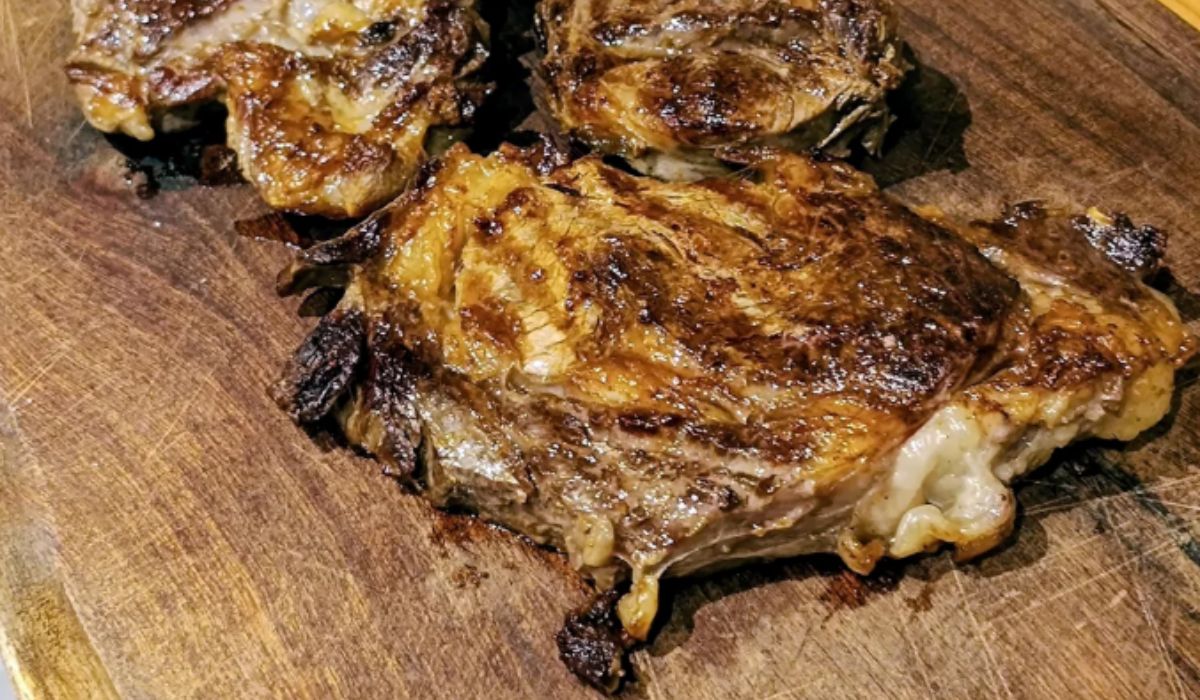
The Definitive Guide to Argentine Steaks (Bifes)
In Argentinian cuisine, asado is the master of the weekends. In between, Argentinian bifes (steaks) take over the grill. A staple in most homes as well as in luxury restaurants, Argentine beef ste...
Weiterlesen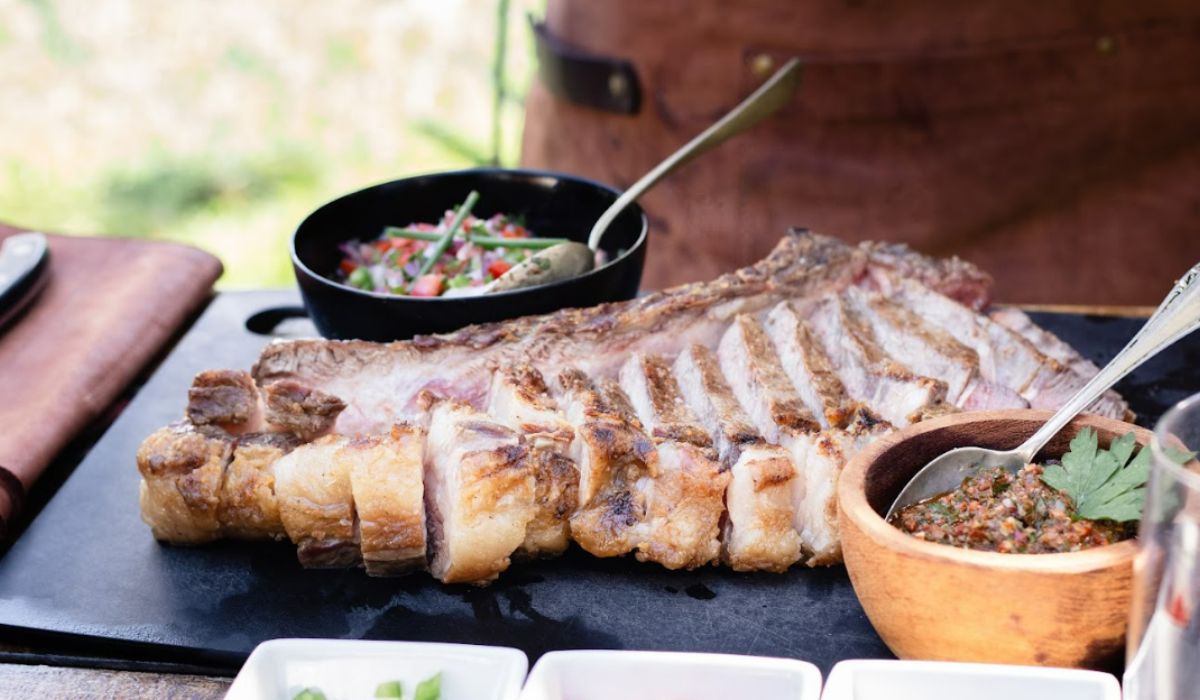
Steak Doneness: The Science of the Argentine Asado
In the U.S., steak mastery is measured in degrees. Thermometers define the grilling mindset, turning doneness into an internal target. In Argentina, the philosophy shifts. Steak doneness levels are...
Weiterlesen
Hinterlasse einen Kommentar
Diese Website ist durch hCaptcha geschützt und es gelten die allgemeinen Geschäftsbedingungen und Datenschutzbestimmungen von hCaptcha.