


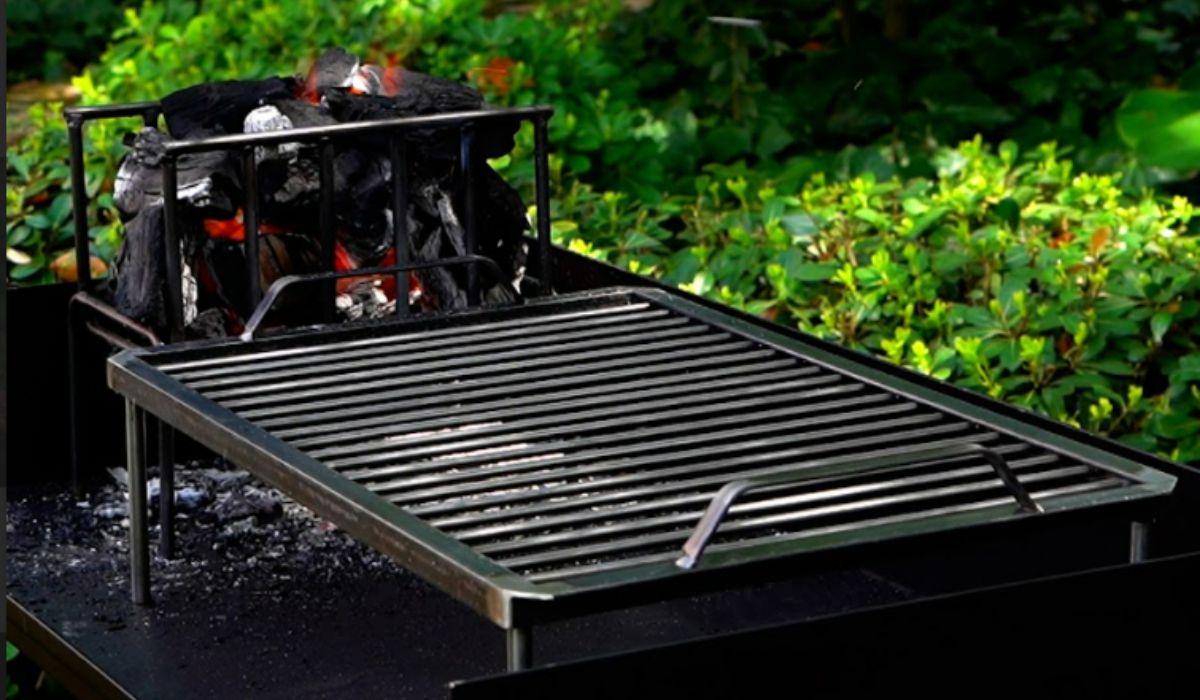
How to Clean Grill Grates (Argentinian Parrilla Edition)
Some time ago, we published our guide on how to clean grill grates and keep them from rusting. Now, it’s time for the gaucho grill edition.
Cleaning your grill isn’t just about aesthetics: the lifespan of your grill, as well as the flavor and safety of your food, depend on it.
The challenge? Different materials require different cleaning methods. And even grills designed to minimize buildup (like Argentinian parrillas) still require regular care.
In this article, we’ll break down step by step how to clean cast-iron and stainless steel grill grates used on Argentinian grills. We’ll discuss maintenance tips, storage, and material-specific cleaning techniques.
Ready to turn your parrilla into a true lifelong investment, delivering bold flavor, food safety, and a consistently clean cooking setup?
Know Your Grates!
The material of the grates is the first thing to consider when cleaning an Argentinian grill. As mentioned earlier, different materials have different requirements, both in how they’re cleaned and in the care they need over time. Most Argentine grills on the market use one of three grate materials:
-
Stainless steel (304/316). Being rust-resistant, these grills are generally easier to maintain than other options. However, they can still warp over time if neglected. Clean them with coil brushes or wooden scrapers. For deeper cleaning, use low-abrasion tools and mild alkaline cleaners.
-
Cast iron. If not properly maintained, cast-iron grill grates are prone to rust. This material requires regular seasoning and careful cleaning. Use wood, silicone, or stainless steel tools, and avoid hard scraping or that can strip away the protective patina.
-
Porcelain-coated. Some Argentinian parrillas have ceramic or porcelain-coated grates. These offer superior nonstick performance, but the coating can chip or break down if handled roughly, so gentle tools and careful handling are essential.
| Grate Material | Tool Compatibility | Care Goals |
|---|---|---|
| Stainless steel (304/4316) | Stainless or coil brushes and wooden scrapers. Avoid carbon-steel wire brushes | Prevent baked-on grease that causes sticking, maintaining a smooth, clean surface |
| Cast iron | Wood, silicone, or stainless tools, as well as chain-mail scrubbers or soft brass brushes. Avoid aggressive brushing and scraping | Build seasoning to protect from moisture and improve non-stick performance |
| Porcelain-coated | Wood, silicone, and plastic tools, or soft-bristle brushes. Avoid metal scrapers and stiff steel brushes | Preserve the coating by minimizing abrasion and thermal shock |
A Matter of Shape
Knowing how to clean your grill grates also means paying attention to the shape of the rods. Design can make cleanup easier, or, on the contrary, more challenging.
Argentinian parrillas are commonly built with either round rod or V-shaped grill grates. We’ve already covered the pros and cons of V-shaped grates vs. versus round rods, so we’ll keep it brief here:
-
Round rod grates. May produce flare-ups, leading to sooty combustion that builds up around the grates. Residue wraps around a curved surface, and scraping requires extra care to avoid missed spots.
-
V-shaped grill grates. Grease collects in the grates and vaporizes instead of charring. This makes residue easier to remove, provided the V is shallow enough to prevent buildup and allow cleaning tools to reach the surface comfortably.

Pro Tip N° 1 → The importance of grate materials goes beyond maintenance. Discover how they affect cooking performance in our guide to the best Argentinian grills for home use.
The Rust is in the Details: What to Do After Every Cook
Owning a quality grill and making sure it lasts takes time and effort. Cleaning it after every use is the first and most important step.
When not removed promptly, leftover ash and grease trap moisture, becoming corrosive and slowly breaking down your grill from the underside outward.
At Gaucho Life, we rely on the burn-off method to keep our grill grates clean. With this approach, heat does the hard work, literally breaking down grease and food residue so it’s easier to remove. Just follow these steps:
-
Close the grill lid (if applicable) and let the grill run hot (about 572–1112°F) for 10–15 minutes after cooking.
On a Santa Maria–style grill, lower the grates closer to the fire. If you have an Argentinian parrilla, rake fresh embers under the grates and cover the top with a tray to reduce oxygen.
-
Food residue will carbonize (pyrolyze) and become brittle enough to remove with light brushing. To protect both food safety and the material, use:
-
Coil brushes (no bristles) instead of wire-bristle brushes, which can shed wires that may stick to grates and contaminate food.
-
Woden scrapers that are gentle on the coating and naturally conform to the grate shape over time.
-
An onion or lemon cut in half, rubbed over the grates with tongs to further loosen debris.
-
Make sure all residue is removed. Use a damp cloth to wipe out the remains and dry the grill thoroughly.
While effective and simple, this method comes with one clear risk: burns. High heat is necessary to pyrolyze debris, but on both gaucho grills and conventional grills, the fire can be just inches from your hands.
The solution? A Santa Maria grill with adjustable grates. Raise them to keep the grates hot enough to clean effectively, without exposing your hands to direct heat. Aim for 12–24 inches above the coals, then lower the grates afterward to evaporate any remaining moisture.
For added safety, use long-handled tools, extended-handle scrapers, or heat-resistant gloves when cleaning.

Pro Tip N° 2 → Explore our guide on the best Santa Maria grills and learn how to choose the right setup for your backyard.
Deep Cleaning Methods: The Grillmaster Guide
Besides cleaning your grill after every use, regular deep cleanings are essential if you want your parrilla to last for the long haul.
These cleanings can be done monthly, which is especially recommended for cast-iron grates or outdoor cooking stations. If you only use your grill during the summer, a seasonal deep cleaning often is more than enough
Below are some tried-and-true maintenance methods that can save time and effort when removing stubborn residue or restoring grills that haven’t been used for a while:
-
Vinegar & baking soda. Cleaning your grill with vinegar and baking soda brings it back to near-new condition after a weekend of cooking. Spray or soak the grates with vinegar to loosen grease, then sprinkle baking soda to lift soot and residue. Let it foam for 10–15 minutes and scrub.
-
Ammonia bag. Place your grill grates overnight in a heavy-duty, sealed bag with household ammonia. The fumes will dissolve heavy carbon and grease buildup. You’ll only have to rinse the grates thoroughly the next day. This method is fairly aggressive, so it’s not recommended more than twice a year and should never be used on porcelain-coated grates.
-
Steam cleaning. To clean a stainless steel Argentine grill or porcelain-coated grates, carefully pouring hot water over hot grates can help release residue and soften grease and soot. Dedicated steam-cleaning tools can be even more effective. As long as the grill is dried completely afterward, this method can be used weekly to maintain clean grates.
-
Pressure washing. For full, occasional restoration, pressure washing offers a fast, chemical-free way to remove grease and soot mechanically. However, it must be done carefully to avoid damaging coatings. General recommendations include using a wide fan tip (25°–40°) and 1,500–2,000 PSI.
Keep in mind that pressure washing completely removes cast-iron seasoning, so re-seasoning will be required afterward, which brings us to the next section.
| Method | Pros | Cons | How Often? | Allowed Materials |
|---|---|---|---|---|
| Vinegar & baking soda | Natural and food-safe | Limited effectiveness on neglected cast iron and heavy buildups | Weekly, after intensive usage | All materials |
| Ammonia bag | Extremely effective on thick, old buildups; requires minimal scrubbing | Harsh and potentially dangerous; not suitable for frequent use | Deep restoration, 1–2 times per year (heavily neglected grates) | Stainless steel and cast iron |
| Steam cleaning | Chemical-free and safe on coatings | Less effective on cold, heavy buildups; unsuitable for cast iron | Weekly or after every use | Stainless steel and porcelain-coated grates |
| Pressure washing | Fast and effective; no chemicals used | Can damage porcelain coatings and remove cast-iron seasoning | Occasional deep restoration (heavily neglected grates) | Stainless steel and cast iron |
Pro Tip N° 3 → When using the ammonia bag method, leave the sealed bag outdoors or in a well-ventilated area, avoid breathing fumes, and always wear PPE (chemical-resistant gloves and eye protection). Never mix ammonia with bleach, as this produces toxic chloramine gas.
Want to understand these underbelly cuts like a grillmaster? Check out our guide on Flank Steak vs. Flap Meat.
Cast Iron Re-Seasoning: How to Protect Your Investment
Thoroughly cleaning cast-iron grill grates means one thing: re-seasoning is right around the corner. Most deep-cleaning methods are aggressive enough to strip away the protective patina of your cast-iron grates, leaving the iron exposed to moisture and rust.
To restore that protection successfully, follow these steps immediately after cleaning your Argentine grill:
-
Dry completely after rinsing, using a towel. To remove hidden moisture, place the grates over low heat for 5–10 minutes, then let them cool until they’re safe to handle.
-
Coat every surface with a thin layer of high–smoke–point oil, using a cloth or paper towel. Cast iron performs well with grapeseed or flaxseed oil, which offer neutral flavor and clean polymerization with minimal residue.
-
If the surface looks wet, wipe it again. The grates should appear barely glossy. This allows the oil to bond with the iron at a molecular level. Excess oil can gum up and flake.
-
Heat to 400–500°F for polymerization, either on the grill or in an oven. The heat breaks down the oil, creating a semi-nonstick, hydrophobic surface. Good airflow is essential for a hard finish, and open-frame Argentinian grills provide it naturally.
-
After pressure washing, ammonia cleaning, aggressive scrubbing, or when seasoning new grates, repeat this process 3–5 times. Each cycle improves corrosion resistance and strengthens the protective patina.
While seasoning helps cast iron withstand humidity and corrosion, it’s not bulletproof. Be sure to store your grill properly once re-seasoning is complete.
Proper storage ensures long-term performance and delivers the high-quality results that only well-seasoned cast-iron grates (like Gaucho Life’s) combined with good fire management can provide.

Pro Tip N° 4 → Dive deeper into grill maintenance tips and techniques with our guide on how to keep grill grates from rusting.
Winter Storage and Climate Tips
Off-season neglect often causes rust and mechanical wear, drastically shortening a grill’s lifespan. To make sure the effort you put into cleaning your grill grates after every cook doesn’t go to waste, proper storage is essential, especially when accounting for your local climate.
General care steps include:
-
Cleaning, lightly oiling, and thoroughly drying the grates before storage.
-
Keeping the grill off bare soil or grass.
-
Emptying ash remnants and drip pans.
-
Disconnect the propane tank if you use a gas grill.
Beyond these basics, consider the following climate-specific maintenance tips:
Use a breathable, UV-resistan Argentinian grill cover. Choose waterproof materials that are easy to clean and resist both tearing and long-term wear.
-
Rain, snow, and humidity condense on cold metal, encouraging rust and mold. Use desiccants in humid areas or during fall and winter to prevent this. On dry days, briefly remove the cover to let the grill air out.
-
Salt exposure affects even stainless steel. Rinse grates with fresh water to remove salt residue from coastal air, de-icing compounds, or cooking seasonings such as wet brines, dry rubs, and salmuera.
-
In coastal or high-humidity areas, apply a light mid-winter coat of food-safe oil to the grates for added protection against corrosion.
If your grill features adjustable grates (as hybrid Argentine Santa Maria grills do) lubricate chains, winches, and hinges with a high-temperature oil. Move them through their full range of motion to distribute the lubricant evenly before storing the grill.
Pro Tip N° 5 → Switch into asado-master mode and discover the best gaucho grills available in the U.S.
Grill Cleaning, Streamlined
Argentine asado is an art form that puts the focus on simplicity. Minimal seasoning, visual fire management, and grills designed to be easy to clean sit at its core. It’s not about low effort, it’s about a finely engineered redirection of your skills to where it matters most: the meat.
At Gaucho Life, our Argentinian grills stay true to this tradition. By design, they help prevent buildup and streamline grill maintenance. Each of our grills is carefully handcrafted using high-quality materials and thoughtful engineering, including:
-
A bottomless, open-frame design to promote airflow and make cleaning from the base of the grill more practical
-
V-shaped grill grates that channel grease away and help prevent flare-ups.
-
A side brasero that keeps flames and soot away from the cooking grates
-
Sturdy materials built to withstand extreme thermal swings.
-
Adjustable height, allowing you to clean safely and easily reheat the grates for polymerization and drying
-
Rust-resistant grates, cast in stainless steel, for easier long-term maintenance.
In this way, Gaucho Life ensures that every one of our Argentinian grills brings the best of the Argentine grilling tradition to your backyard, delivering consistent heat, versatility, and convenience in a single, thoughtfully designed system.

Pro Tip N° 6 → Want to learn more about our grilling philosophy? Discover which cuts are staples of Argentinian grilled meat and how to grill them with true South American flair.
FAQs
Still curious about how to clean grill grates? Here are the answers to some of the most common questions we hear. If yours isn’t listed, feel free to reach out. We’re always happy to help!
How often should you clean grill grates?
For a long-lasting grill and consistently clean, great-tasting food, it’s best to lightly scrape the grates after every use. Deep cleaning can be done once a year or seasonaly, depending on the grate material and usage. If you’re working with cast iron, remember to re-season the grates afterward to prevent rust.
What’s the best way to clean cast-iron grill grates?
The best way to clean cast iron grill grates is to scrape them gently while they’re still warm after cooking (you can reheat them if needed). Use chain mail, a soft brush, or a wooden scraper. Wipe away residue with a damp cloth, dry the grates thoroughly, and apply a thin coat of oil to protect the seasoning.
Can I use a pressure washer on my grill grates?
Pressure washing can be used on stainless steel grill grates, especially when restoring heavily neglected ones. However, it’s best to avoid pressure washing porcelain-coated grates (they may chip) and cast-iron grates (this method removes the seasoning completely).
Are chemical cleaners safe for food contact surfaces?
Not all chemical cleaners are safe for food-contact surfaces. Always check that the product is labeled food-safe and rinse thoroughly after cleaning. Avoid harsh chemicals for regular maintenance: save them for deep restoration only.
Do stainless steel grates need to be seasoned?
No. Stainless steel grates do not require regular seasoning for maintenance or after routine cleaning.
Long Live the Flavor, Long Live Your Grill!
Great grilling starts with a clean grate. Not only does it deliver cleaner flavor and more consistent results, but it also allows you to take your cooking skills to the next level, exploring new techniques without having to change your grill.
Grill maintenance takes time, but it doesn’t have to be complicated. Explore our catalog of handcrafted Argentinian barbecue grills, and find the setup that best matches your cooking style and technique.
Because at Gaucho Life, we know it is more than just grilling.
It’s a lifestyle.

Read more
How to Grill Bondiola (Boston Butt) the Argentinian Way
When it comes to a cut that’s juicy, deeply flavorful, perfectly balanced between firm and tender, and easy to master on the grill, plenty of contenders step up, but only one truly steals the show:...
Read more
The Definitive Guide to Argentine Steaks (Bifes)
In Argentinian cuisine, asado is the master of the weekends. In between, Argentinian bifes (steaks) take over the grill. A staple in most homes as well as in luxury restaurants, Argentine beef ste...
Read more
Leave a comment
This site is protected by hCaptcha and the hCaptcha Privacy Policy and Terms of Service apply.