


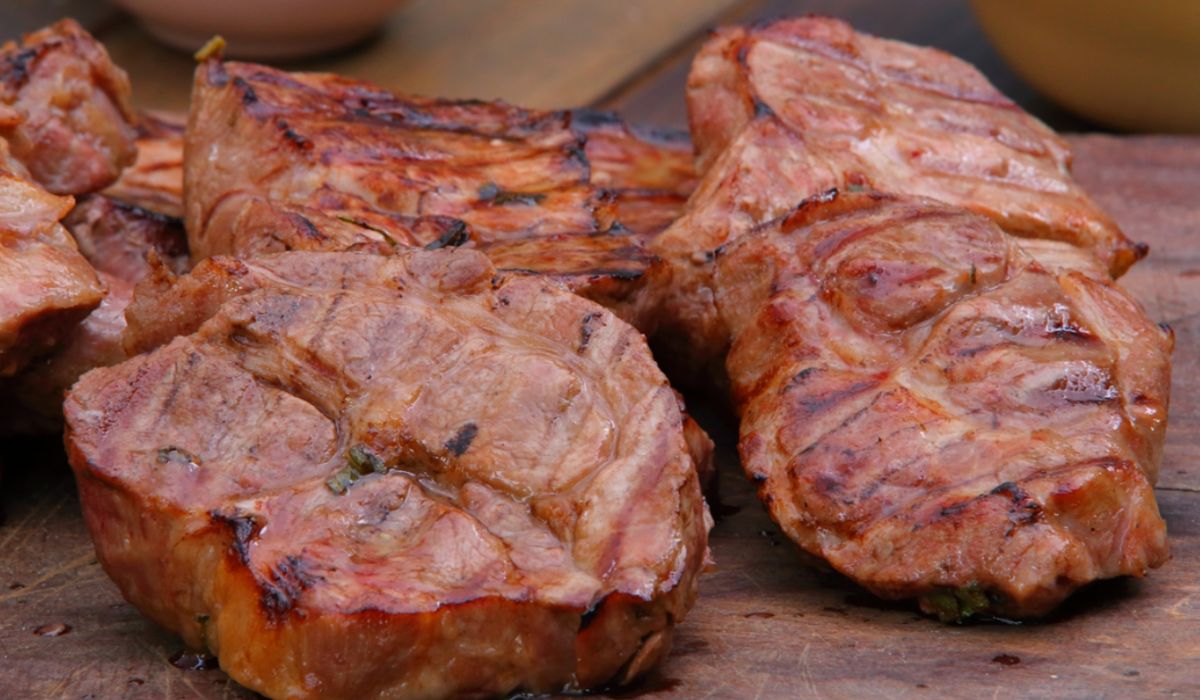
How to Grill Bondiola (Boston Butt) the Argentinian Way
When it comes to a cut that’s juicy, deeply flavorful, perfectly balanced between firm and tender, and easy to master on the grill, plenty of contenders step up, but only one truly steals the show: the Boston Butt, aka the Argentine bondiola.
Wondering how to cook this flavorful, collagen-rich cut on an Argentinian barbecue grill and get perfectly juicy results? Then you're in the right place.
In this guide, we’ll break down how to grill Boston Butt the Argentine way and the American BBQ way. We’ll cover grilling techniques, doneness levels, typical seasonings, and why having the right grilling equipment can be a true game-changer for this cut.
Roll up your sleeves, make a call to your butcher, and fire up your grill. Your next Sunday barbecue is just around the corner: low and slow, the way it ought to be.
Boston Butt vs. Bondiola: Same Cut, Different Culture
Despite its name, Boston butt comes from the upper part of the pig’s shoulder (the neck-end half). The “butt” label dates back to colonial times, when this cut was shipped in barrels or butts. Boston butt includes several partially worked muscles, which results in a mixture of tenderness, rich marbling, and connective tissue.
Those traits make Boston butt shine in low-and-slow cookouts. Steady heat gives collagen time to break down into gelatin while fat renders gradually, basting the meat from the inside out. This keeps the pork juicy and tender, making it more forgiving on the grill.
Argentine bondiola comes from within the Boston butt. The U.S. cut typically adds a thick fat cap, as well as the pork’s shoulder blade. However, because the two cuts behave similarly in terms of cooking methods, timing, and technique, we’ll treat them as equivalents throughout this guide.
Boston butt is the classic cut for pulled pork in the U.S. In Argentina, bondiola is more often cooked whole (grilled rather than roasted), or sliced into steaks and served as bondipán. This is a bondiola sandwich similar to choripán, the king of Argentine street food, but made with thin pork steaks instead of chorizo.
Another difference is how the cut is sold. In Argentina, bondiola is usually boneless. In the U.S., bone-in Boston butt is more common, prized for its deeper flavor, juiciness, and how the bone acts as a heat stabilizer, promoting even cooking.

Pro tip N°1 →The bone also serves as a doneness indicator: the meat closest to it tenderizes last. When the bone loosens and pulls free easily, you know the entire cut is cooked through.
Science of Tenderness: The 5 Heat Phases of Boston Butt
When learning how to cook Boston butt, it helps to understand the sequence of changes the meat goes through as it gradually heats up and transforms into that perfect, butter-tender bite. Here’s how the process unfolds:
-
Warm up (ambient to ~140°F): Argentine bondiola is a thick cut. For even cooking, the meat should reach ambient temperature before hitting the grill. This also allows surface moisture to evaporate, setting the stage for the Maillard reaction and bark development.
-
First zizzle (140–160°F): A juicy, caramelized Boston butt requires a cooking environment that kick-starts browning. At this stage, thermal activity is largely confined to the surface, while the interior temperature rises gradually and remains relatively stable.
-
The stall (~155–170°F): Here, the meat reaches an internal plateau as evaporation slows temperature rise. Collagen and fat begin to soften, but the bondiola is still tough. There are two common ways to handle this phase:
-
Maintain consistent heat without sudden spikes and let the bondiola cook on its own timeline. This produces a thicker bark and ensures full collagen conversion.
-
Wrap the meat in aluminum foil (Texas crutch) or fully close the grill to reduce evaporative cooling, raise internal temperature, and shorten cooking time. The trade-off? A softer, thinner bark.
-
Collagen conversion (180–200°F): As the Boston butt pushes past the stall, collagen melts into gelatin and fat renders. Muscle fibers relax and separate, driving real tenderness. Patience is critical here: if this phase is rushed, the meat will remain chewy and lose its juiciness.
-
Butter-tender finish (200–205°F): Above 200°F internal temperature, most of the connective tissue has rendered, moisturizing the pork. At this point, temperature signals tenderness rather than doneness. Around 180–190°F, the meat remains sliceable; by 195–203°F, it is ready to shred.
Understanding the five thermal phases of grilled bondiola allows you to adapt your cooking style to the meat’s needs and fine-tune your technique for this cut.
Santa Maria grills are especially well-suited to this tiered process, since adjustable grates let you control heat by changing distance from the fire, shaping each phase deliberately, without forcing the cut.
| Mistake | Why Not? |
|---|---|
| Skipping the Maillard reaction | Pork remains bland |
| Rushing the stall phase | The meat dries out |
| Shortchanging collagen conversion | Pork shoulder toughens |
| Overcooking | Mushy texture |
Pro tip N°2 → Looking to upgrade your outdoor kitchen? Discover the best Santa Maria grills and how to choose the one that fits your grilling style.
How to Grill Boston Butt: The U.S. Approach
One of the best ways to cook Boston butt is on the grill. While this cut also performs well when roasted in the oven, grilling delivers a level of smokiness and exterior crispness that truly sets it apart. Here’s how we grill Argentine bondiola for pulled pork at Gaucho Life:
-
First, we separate the fat cap from the meat, keeping it attached but loosened, so we can season underneath without losing the juiciness the fat provides as it renders.
-
Next, we moisten the pork with mustard or BBQ sauce on the side that will sit beneath the fat cap. This helps the seasoning adhere and adds a subtle background flavor.
-
Then we apply a dry rub made with sugar, dried onion, garlic, paprika, cayenne, black pepper, and salt.
-
Once meat prep is done, preheat the grill to 225°F (as a hand test, you should be able to hold your hand about 3 inches above the grate for roughly 10 seconds), and set up an indirect heat zone:
-
On Argentinian grills, we do this by arranging the coals in a loose circle slightly larger than the bondiola, leaving an open space in the center.
-
On a gas grill, light the burners on one side only and place the meat over the unlit side. With gas grills, using the lid is essential.
-
On a Santa Maria grill, simply raise the adjustable grates to quickly lower the cooking intensity.
-
We place the meat on the grill and set a piece of smoldering (but not flaming) wood underneath to add a subtle smoky note.
-
Once the meat reaches an internal temperature of 160°F, you can wrap it in aluminum foil to speed through the stall. Keep in mind that this sacrifices some of the bark’s crispness.
-
If you prefer not to wrap, close the grill lid or tent the meat loosely with a deep tray. Before doing so, be sure to spritz the surface with a mixture of apple juice and apple cider vinegar, or with traditional Argentine salmuera.
-
We continue cooking the Boston butt until its internal temperature reaches 203°F. Then, we remove it from the grill and let it rest for at least 1 hour before pulling.
Pro tip N°3 → Grilling times depend mostly on the cut’s size. Plan on 1.5–2 hours per pound. However, to avoid over- or undercooking, the best approach is to use a meat thermometer and track internal temperature closely. For pulled pork, aim for 203°F.

How to Grill Bondiola: The Argentine Technique
Most Argentines cook over charcoal out of a love for tradition, smokiness, the experience of gathering around the fire, and the challenge of managing white-hot embers.
Here’s how we grill Argentine bondiola, whether we’re craving a whole roast or a hearty bondipán:
Whole Bondiola Roast
The steps to cook bondiola Argentine-style are fairly similar to U.S. low-and-slow pork shoulder. However, there are some tweaks, especially if you are using a gaucho grill:
-
Argentinian bondiola doesn’t come with the fat cap and the in-bone of the Boston butt. Here, you can choose between:
-
Trimming them and soaking the meat in an Argentinian steak marinade to boost flavor and moisture retention.
-
Leaving them on and seasoning the meat “under” the fat cap with a citrus-flavored rub (for example, rosemary, pepper, and lemon zest). Keep in mind that it will take longer to cook.
-
While the meat reaches ambient temperature, use an iron brazier to build steady embers. Rake them under the grill grates and arrange them in an empty circle, a bit larger than the Boston butt’s.
-
To gauge temperature, extend your hand 3 inches above the grates. You should be able to hold it there for 10 seconds maximum.
-
Put the meat on the grill, fat-side down, and drizzle it with lemon juice. Cover it with a lid or aluminum foil for a more even, quicker cooking.
-
V-shaped grill grates that channel drips into a tray help you prevent flare-ups when cooking fat-side down. You can find these on most Argentinian grills. If you are using a Santa Maria grill, simply raise the grates to avoid charring.
-
Place un tronco humeante under the bondiola for extra smokiness.
-
Cook for 30–40 minutes, until the internal temperature reaches 145–150°F. Uncover the bondiola, flip it, and baste with salmuera or lemon juice to help moisture retention.
-
Grill for another 30 minutes until 165°F, for firmer texture, or 190°F, for fork-tender results.
-
Remove it from the grill and let it rest 10-15 minutes before slicing. This will redistribute the juices, ensuring a juicier bite.
Pro tip N°4 → If you leave the fat cap on, rub it with a pinch of salt. This lightly dries the surface, helping a crisp layer form during cooking.
Bondiola Steaks, on an Charcoal Grill
While Boston butt and bondiola roast have fairly similar cooking methods, grilling bondiola steaks requires a different technique:
-
Start by trimming the fat and slicing the thickest part of a Boston butt into 1-inch-thick steaks. Sprinkle them with a pinch of Kosher salt and black pepper.
-
Use an Argentinian iron brazier to build embers. Rake them under the grill, creating a 2-zone heat system. Scatter them for low-heat, and cluster them for high-heat.
-
If you are an advocate for Santa Maria grills, arrange the embers on an even layer and lower the grates close to them.
-
Gauge temperature by extending your hand 3 inches above the grates. You should be able to hold it up to 10 seconds on the low-heat zone, and only for 5-6 seconds on the high-heat zone.
-
Sear for 2–4 minutes. When the juices pool on the surface, flip the steaks, sprinkle with lemon juice, and sear for another 2–4 minutes.
-
If you are using a Santa Maria grill, sear only for 2 minutes and raise the grates to finish gently for another 10–15 minutes.
-
Serve within a crusty, rustic bread bun sliced in half, and laced with chimichurri or criolla sauce.
Pro tip N°6 → Looking for the perfect appetizer for your bondipán? Learn how to cook grilled provoleta cheese, Argentinian style.
Time and Temperature Guidelines
Wondering how long to cook a Boston butt on the grill? Here’s the cheat sheet we use at Gaucho Life:
| Weight (bone-in) | Internal Temp | Gas Grill with Lid (225°F) | Santa Maria Grill (Initial Sear + Texas Crutch) |
Charcoal Grill (Indirect Heat + Texas Crutch) | Bone-out (225°F) |
|---|---|---|---|---|---|
| 4 lbs | 195–203°F | 6–8 h | 5–6.5 h | 5.5–7 h | 5–6.5 h |
| 6 lbs | 9–11 h | 7.5–9 h | 8–10 h | 7–9 h | |
| 8 lbs | 12–14 h | 10–12 h | 11–13 h | 9.5–11.5 h |
Pro tip N°6 → Always let the meat rest for up to 15 minutes before slicing. This gives the juices time to settle back into the meat, so every bite stays juicy. Don’t worry! It’ll still be plenty hot.
It’s All in the Grates
Using the right grill can be just as important to the success of an asado as the quality of the meat itself. A Santa Maria grill with V-shaped grates is a perfect example.
Why? Because it offers a level of control and versatility that’s hard to match. These grills feature:
-
Adjustable grates that let you manage heat visually and intuitively, simply by turning a crank.
-
A side brasero (iron brazier) that allows for continuous ember production while keeping the main cooking area clean and organized.
-
High-quality materials, such as 304 stainless steel grates and heavy-duty iron frames, which provide excellent heat conduction and long-term resistance to rust. conduction and rust-resistance.
-
V-shaped grates that channel drippings away from the fire, reducing flare-ups and acrid smoke while helping the bondiola retain moisture.
At Gaucho Life, we build grills designed to handle both fast, high-heat searing and long, low-and-slow cooks, with precise heat control and straightforward operation. Explore our catalogue and find the grill that fits both your backyard and your cooking style.
Pro tip N°7 → Curious about grate design? Take a deeper look at the pros and cons of V-shaped grill grates vs round rod grill grates.
FAQs
Still curious about the best ways to cook bondiola on the grill? Here are the answers to some of the most common questions we hear. If yours isn’t listed, feel free to reach out. We’re always happy to help!
How do you cook a Boston Butt on the grill without drying it out?
Boston butt is a forgiving cut and rarely dries out on the grill, thanks to its fat and collagen content. To prevent overcooking and foster moisture retention, you can use a termometer to remove it from the grill as soon as it is done (~165°F) and dry rub the meat before grilling.
Take a look at our guide on wet brine vs. dry rub to learn how seasoning affects flavor, texture, and juiciness.
What’s the difference between bondiola and Boston Butt?
Argentine bondiola is a part of the Boston butt. Both of them are heavy marbled and have lots of connective tissue. However, Boston butt also features the pork’s scapula and a thick fat cap.
Want to understand these underbelly cuts like a grillmaster? Check out our guide on Flank Steak vs. Flap Meat.
How long does a Boston Butt take on a charcoal grill vs. gas or pellet?
A 6 lb Boston but will take 9–11 hours to cook thoroughly on a gas or pellet grill. On charcoal grills, it only takes 5–7 hours.
Can I grill bondiola as steaks insead of whole?
Yes, you can cook bondiola steaks on the grill. Make sure to slice them at least 1 inch thick for better results.
Should I wrap bondiola in foil like in American BBQ?
While not strictly necessary, you cam wrap a bondiolq in alumin foil to speed up cooking times1 hour approximately. This technique is known as Texas crutch.
Two Traditions, One Cut
Boston butt is one of the most forgiving cuts you can cook on the grill.
Whether it’s sold under that name, as pork shoulder, or bondiola, and whether you pull it low and slow or serve it sliced in a hearty bondipán, its tenderness and flavor speak for themselves.
Expand your grilling repertoire and start enjoying Boston butt across styles and traditions. Explore our collection of handcrafted Santa Maria grills and accessories, engineered for precision and designed to adapt to different cooking styles.
Because at Gaucho Life, we know it is more than just grilling.
It’s a lifestyle.

Read more
Wet Brine vs. Dry Rub: Mastering Flavor the Argentinian Way
Great barbecue doesn’t happen by accident. Several forces come together to shape the result. Which ones? To start with: good company, the right grilling technique, a sturdy Santa Maria grill, a con...
Read more
How to Clean Grill Grates (Argentinian Parrilla Edition)
Some time ago, we published our guide on how to clean grill grates and keep them from rusting. Now, it’s time for the gaucho grill edition. Cleaning your grill isn’t just about aesthetics: the life...
Read more
Leave a comment
This site is protected by hCaptcha and the hCaptcha Privacy Policy and Terms of Service apply.