


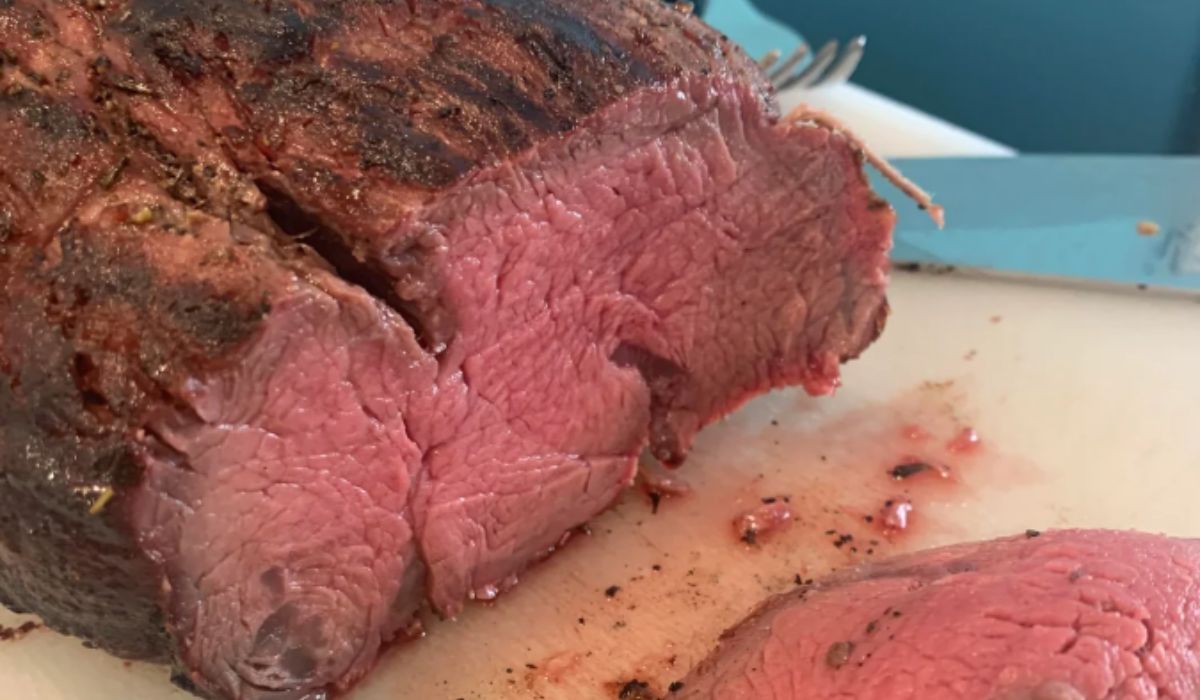
How to Grill Beef Tenderloin: Argentinian Style
One of the most universally recognized qualities of great beef is tenderness. Most of the time, that tenderness, along with deep, crave-worthy flavor, comes from a cut’s marbling. But beef tenderloin is the exception to the rule.
Beef tenderloin, also known as filet mignon or Argentine lomo, is the highlight of every asado: exceptionally tender, elegant in flavor, and incredibly lean when grilled correctly. It is the most tender muscle on the steer, and at the same time, one of the easiest cuts to ruin on the grill.
In this article, you’ll learn how to grill beef tenderloin, whether whole or sliced into steaks, which grills work best for this cut, and the techniques that will help you avoid common mistakes and deliver outstanding results every time.
Time to roll up your sleeves, fire up a gaucho grill, and get ready to sacar punta a your grilling game, Argentinian-wise.
Understanding the Cut: What Makes Tenderloin Unique
Beef tenderloin comes from the psoas major muscle. It’s a non–non-load-bearing muscle located beneath the backbone. Its grain is short and fine, with very little connective tissue. All of this explains tenderloin’s natural tenderness and leanness.
In the United States, tenderloin is often referred to as filet mignon when it’s sliced into thick medallions, typically taken from the narrower end of the cut. The center-cut roast is known as chateaubriand and is usually sold whole.
In Argentina, however, lomo can refer to either the whole tenderloin or the medallions, depending on the context. At a butcher shop, asking for lomo usually means the full cut. In a restaurant, it typically means individual medallions.
Every silver lining has a cloud. Tenderloin’s unique combination of exceptional tenderness and low fat content comes at a price. When grilled, tenderloin can dry out quickly and has a more subtle flavor that’s easily overwhelmed by heavy seasoning or harsh smoke. That’s why learning how to properly grill beef tenderloin, rather than jumping straight onto the grill, is essential for consistently great results.

Pro Tip N°1→ Expand your grilling game. Learn how to grill tri-tip on a Santa Maria grill step by step.
Choosing the Right Tenderloin
To grill a great filet mignon or a whole beef tenderloin, choosing the right cut is essential. Argentine beef, typically sourced from grass-fed cattle, is known for its firmer yet still tender texture and its pronounced, beef-forward flavor.
You’ll usually find it at specialty butchers or gourmet stores. That said, it can be expensive, and if this is your first time grilling tenderloin, it may end up being an unnecessary expense.
If you’re shopping at Costco or other U.S. retail stores, using USDA grading as your guide is a reliable way to make a smart choice. With tenderloin, marbling shouldn’t be the main focus; instead, look at the animal’s overall breeding and finishing:
-
USDA select. Comes from leaner, faster-growing animals. These tenderloins are far less forgiving on the grill and can easily turn out dry.
-
USDA choice. Cattle are grain-finished for a longer period, delivering a juicier, more flavorful result that holds up well even when cooked to medium. It’s widely available at a reasonable price, making it the ideal option for most grillers.
-
USDA prime. Offers the highest level of marbling and typically very consistent quality. It can be harder to find at an accessible price, as much of it is sourced by high-end restaurants.
Regardless of grade, look for fresh, cherry-red meat with a firm texture and, if possible, fine marbling. Fancy dry-aged beef? Then this isn’t the cut for you. While cuts like ribeye or coulotte steak (the Argentine vacio steak) benefit greatly from dry-aging, yield loss makes tenderloin a poor candidate. Wet-aged, on the other hand, is the standard in the U.S. for producing a juicy, clean-tasting beef tenderloin or filet mignon.
Pro Tip N°2→ Explore the equivalences between U.S. and Argentine beef cuts and discover everything Argentina grilled meat has to offer.
Prepping Tenderloin for the Grill
Tenderloin is naturally tender, but it’s not as flavorful or juicy as many other beef cuts. Choosing high-quality meat alone won’t deliver unforgettable results: you also need to know how to properly prepare it.
At Gaucho Life, we like to grill lomo the Argentine way, making the most of this cut’s unique qualities. Here’s how we prepare it:
-
To grill some filet mignon, slice the tenderloin into 2-inch-thick medallions.
-
Trim all the silverskin. When grilled, it tightens and toughens without adding any crispness, especially since tenderloin and filet mignon cook quickly.
-
Remove the chain (cordón) if the cut has one, to end up with a clean center-cut roast.
-
If grilling the whole tenderloin, tie it with cotton butcher’s twine to promote even cooking.
-
For filet mignon, slice the tenderloin into 2-inch-thick medallions.
A Beef for Some Season(ing)s
Once the meat is properly trimmed and tied (or sliced), it’s time to enhance its natural flavor. Grilled filet mignon needs nothing more than a light sprinkle of fine salt about 10 minutes before grilling. Chateaubriand, on the other hand, benefits from a more direct approach.
Because tenderloin has a fine, delicate grain, acidic or wet marinades can break down the muscle fibers and compromise texture. For deeper seasoning, dry-brine with kosher salt for 4 to 12 hours, leaving the meat uncovered in the refrigerator.
Be sure to remove the tenderloin from the fridge 30 to 60 minutes before grilling to let it come to temperature. This helps ensure even cooking and promotes the Maillard reaction, which is key to achieving a perfect sear.
As an alternative to dry-brining, you can season the meat with kosher salt about 10 minutes before grilling, then baste it with salmuera (a light brine) every 15 minutes as it cooks. For an even richer finish, brush the tenderloin with herb-infused butter toward the end.
Pro Tip N°3→ Looking for a tougher, more flavorful steak? Learn how to achieve filet mignon–level tenderness using the best Argentinian steak marinades.
Grill Setup: Fire Control Is Everything
A successfully grilled tenderloin is often paired with the right grill setup. Gas grills offer convenience and precision, but they fall short on the flavor and crust that define the experience. This is a cut that truly calls for charcoal.
Kettle grills get you closer to perfection, but heat management can be challenging for newcomers. Open-frame Argentinian grills are another step in the right direction, yet they still don’t quite hit the mark. Santa Maria grills, however, do.
At Gaucho Life, there’s a lot we love about Santa Maria grills. One of them their ability to adapt to different cuts and cooking techniques. Another is how easily you can control temperature thanks to their adjustable grate system.
Cooking over charcoal allows you to add real fire flavor to tenderloin, something essential in Argentine-style grilling, where seasoning is kept minimal. The open-frame design helps develop a proper crust and makes temperature and timing more intuitive to manage, especially when paired with adjustable grates.

Firing Up Your Charcoal Grill
To achieve both great flavor and the right cooking temperature, fuel your grill with a mix of hardwood logs (oak, hickory, or mesquite, for example) and lump charcoal.
Once the fire has burned down to white-hot embers, rake them under the grates using an iron poker. Arrange the embers along the edges of the grill for indirect cooking (on a Santa Maria grill) or set up two heat zones.
For a more pronounced smoky note, you can place a partially lit log beneath the meat once it’s on the grill. Keep in mind that, while tenderloin is fairly lean, it can still release some fat, which may cause flare-ups. V-shaped grill grates help prevent this by channeling fat drippings away from the fire.
Pro Tip N°4→ While typically used for open-fire cooking, Santa Maria grills become perfect for grilling over clean embers when paired with an Argentine iron brazier on the side, keeping your grill setup efficient and organized.
Cooking Method 1: Reverse Sear for Precision
We’ve covered how to prep the meat and arrange the embers under the grill. Now, here’s how we grill beef tenderloin at Gaucho Life, using a charcoal grill:
-
Preheat the grill to ~225–250°F.
-
Place the tenderloin on the grill.
-
Cook 20–25 minutes per side until ~115°F internal.
-
Baste with brine or melted butter every 15 minutes if desired.
-
Stoke the fire or lower the grate to increase heat.
-
Sear each side 45–60 seconds, until 130–135°F internal for medium-rare.
The reverse sear method is perfect for grilled tenderloin. It delivers even doneness throughout while preserving juiciness and creating a crisp, flavorful crust.
Using a meat thermometer is key to ensuring the meat doesn’t overcook and to avoid losing juices by cutting into it to check doneness. If you don’t have a thermometer, plan on 15 to 20 minutes per pound for beef tenderloin to cook through on the grill
Pro Tip N°5→ If you’re using an open-frame grill, you can gauge temperature with your hand. Hold it 2–3 inches above the grates: you should be able to keep it there for 8–9 seconds.
Cooking Method 2: Traditional Santa Maria Technique
While the method above works best for grilling a whole tenderloin, filet mignon steaks call for a different, faster approach. Here’s how to grill tenderloin medallions using a traditional Santa Maria technique:
-
Preheat the grill to ~450–500°F (4–6 seconds using the hand test).
-
Place the medallions on the grill.
-
Sear for 2 minutes per side.
-
Raise the grill grate or move the steaks to the indirect heat zone.
-
Baste with brine, butter, or herb-infused oil.
-
Cook until 130–135°F internal for medium-rare.
Pro Tip N°6→ Avoid poking or piercing the steaks to prevent loss of juices. Use a pair of long-handled tongs to flip the medallions comfortably while protecting the final result.
Want to master perfect doneness on the grill? Explore our guide to Steak Doneness.
Resting and Slicing
Once the tenderloin is cooked, remove it from the grill and let it rest before slicing. A chateaubriand should rest for 10–15 minutes, while filet mignon benefits from 7–10 minutes. Don’t worry about the meat getting cold: carryover cooking will raise the internal temperature by about 5–10°F.
Resting allows the juices to redistribute throughout the meat and prevents them from spilling out when you slice it, which is especially important for lean cuts like tenderloin.
When serving a whole tenderloin, slice it into 1½–2-inch-thick medallions, and encourage your guests to cut against the grain. This ensures every bite is as tender as beef gets.
Pro Tip N°7→ Use a wooden carving board and a gaucho knife set for authentic presentation.
Sauces, Sides, and Pairings
Tenderloin is an incredibly versatile beef cut, but pairing it well requires a light hand. Sauces and sides should enhance its flavor without overpowering it.
Some traditional and effective sauces, typically paired with Argentinian lomo include:
-
Chimichurri, a staple on every Argentine table
-
Herb butter, used not only during cooking but also served on top for extra richness
-
Béarnaise sauce, for a refined French touch
The best sides for tenderloin offer contrasting textures that highlight the meat’s tenderness. Some solid choices are:
-
Grilled vegetables, especially bell peppers, onions, mushrooms, and squash
-
French fries, mashed potatoes, or assorted potatoes wrapped in foil and cooked directly on the embers
-
Arugula and cabbage salad, with diced avocado for added richness
-
Melted provolone (provoleta), served with crusty bread lightly toasted on the grill
Last but not least, it is the right drink that completes the experience:
-
Bold red wines, such as Argentine Malbec, complement tenderloin’s delicate flavor
-
A structured Cabernet Sauvignon pairs beautifully when the meat is seared to a deep golden crust
Pro Tip N°8→ The perfect pairing deserves the right tool. Enjoy melted provolone like a pro with an Argentinian provolone skillet pan, designed specifically for the grill.
Common Pitfalls and Fixes
Tenderloin can be a challenging cut to grill. Its natural leanness and tenderness can work against you if you don’t know how to cook it properly.
Here are some common pitfalls (don’t worry: even seasoned grillmasters run into them!), and tips on how to fix them:
-
Steaming instead of searing. If the grill isn’t hot enough or the surface of the meat is wet, the tenderloin won’t sear properly. → Fix: Pat the meat completely dry before placing it on the grill, and make sure the grill is fully preheated.
-
Overcooking. Without a precise way to check doneness, it’s easy to take tenderloin too far. →Fix: Use a meat thermometer to check for ideal doneness (130–135°F internal for juiciness)
-
Cooking cold meat. Meat straight from the fridge is the number one enemy of a good sear and even cooking. → Fix: Remove the tenderloin from the refrigerator 30–60 minutes before grilling to let it come to temperature.
-
Skipping the rest. Slicing the meat immediately after grilling causes the juices to spill out. →Fix: Let filet mignon rest 7–10 minutes before slicing so the juices redistribute. Chateaubriand should rest for 10–15 minutes.
-
Marinating the beef. Tenderloin can break down if marinated too long or with acidic ingredients. →Fix: Skip wet marinades. Use dry seasoning, basting, or gentle smoke to add flavor instead.
Pro Tip N°9→ Learn how to properly fire up your grill with our charcoal grills 101 guide.
FAQs
Looking forward to knowing more about cooking tenderloin on a grill? Here are answers to some of the most common questions we hear. If yours isn’t listed, feel free to reach out. We’re always happy to help!
How long to grill a beef tenderloin per pound?
A whole beef tenderloin typically takes 10–15 minutes per pound to cook over indirect heat at 225–250°F. However, keep in mind that using a meat thermometer is always the most reliable way to check doneness.
Can I cook tenderloin on a gas grill?
Yes, tenderloin can be cooked on a gas grill. However, the result may not develop the same crust and depth of flavor you get from cooking over charcoal.
Should I trim the fat cap or silverskin?
Tenderloin doesn’t have a thick fat cap. If there’s a thin layer of fat, you can leave it on for a bit of extra flavor. Always remove the silverskin, though, as it tightens and becomes tough when cooked.
Is lomo the same as filet mignon?
In Argentina, lomo refers to the entire beef tenderloin when purchased at a butcher shop. In a restaurant setting, lomo typically refers to filet mignon–style medallions.
More Than Just a Tender Cut
Grilling lomo to perfection is less about complexity and more about fire control, timing, and respect for the cut’s natural delicacy. Beef tenderloin rewards precision: steady heat, careful seasoning, and a fine-tuned grill. When done right, it delivers elegance, tenderness, and pure beef flavor, just as it does in a traditional Argentine asado.
By embracing both Argentine grilling tradition and smart engineering, you can elevate your results with a precision grill setup designed for real fire cooking. Explore our argentine barbecue collection and experience the lomo ritual the way it was always meant to be: simple, intentional, and unforgettable.
Because it is more than just grilling. It’s a lifestyle.

Read more
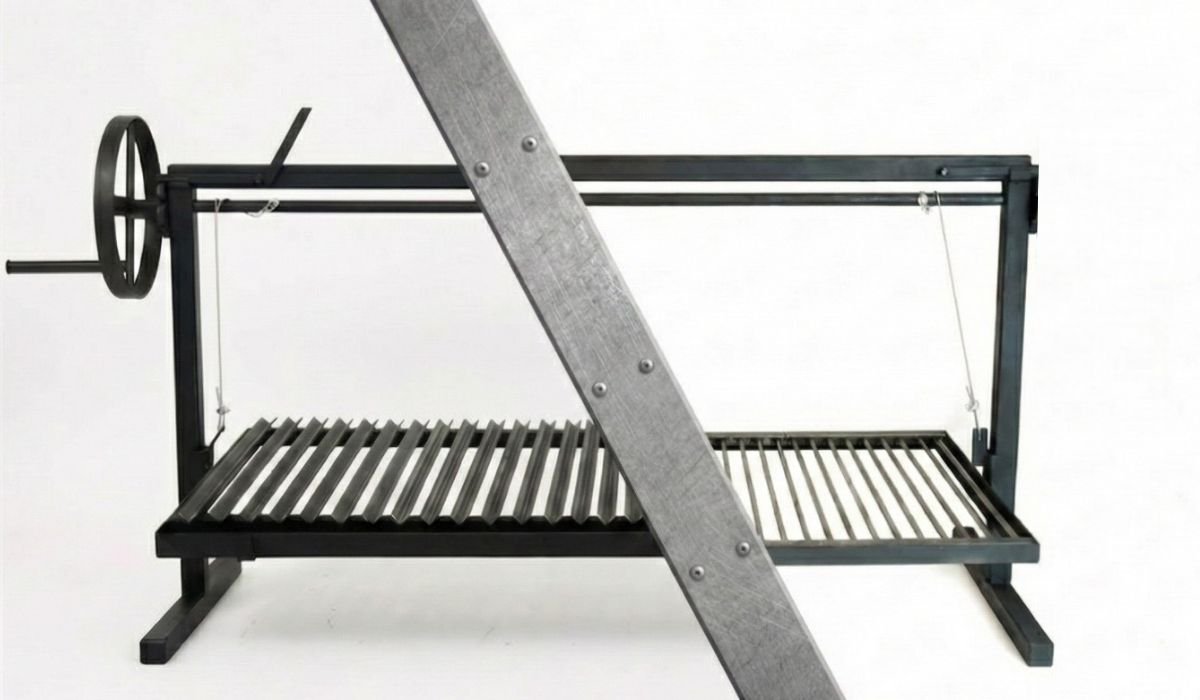
V-Grates vs Round Rod Grill Grates: Your Fire Experience, Unlocked
Recently, there has been a renewed desire for primal, authentic experiences. Open-fire and charcoal grilling have resurfaced as the ultimate way to turn cooking into, rather than a means of surviva...
Read more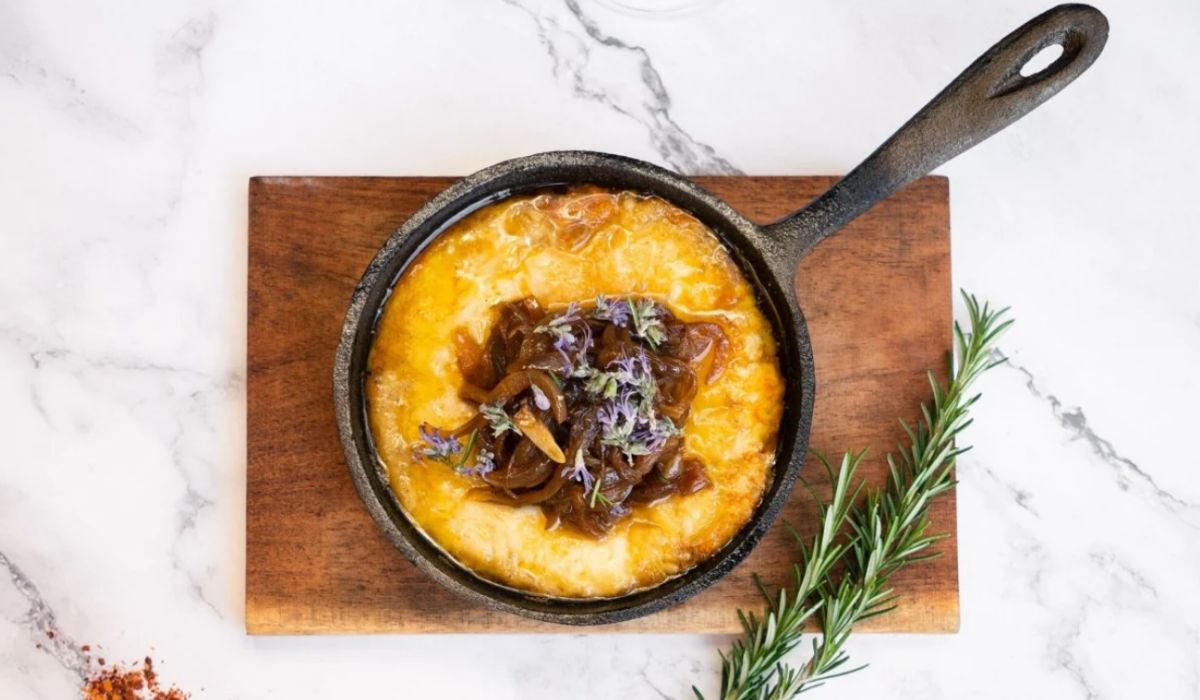
How to Cook Argentinian Grilled Provolone Cheese (Provoleta)
Take one provolone cheese. Sear it until crusty on the outside and molten inside, season with herbs, drizzle with olive oil and honey, or chimichurri sauce, and serve it warm, straight from the gri...
Read more
Leave a comment
This site is protected by hCaptcha and the hCaptcha Privacy Policy and Terms of Service apply.