


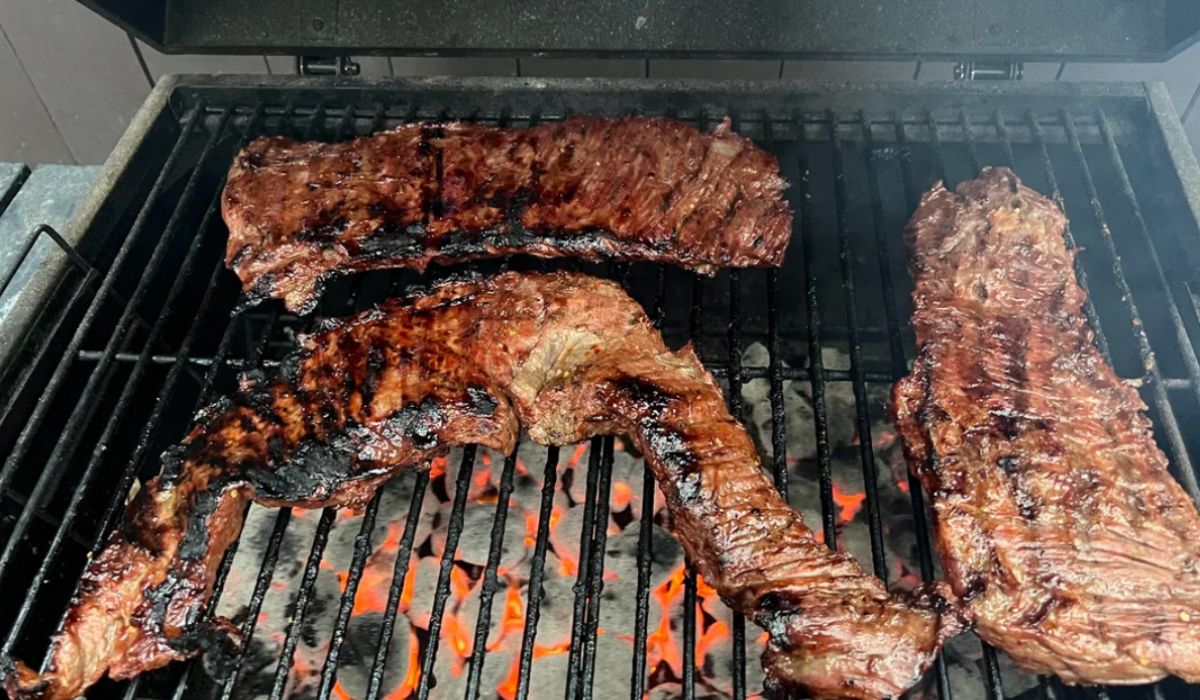
How to Grill Skirt Steak & Entraña: the Argentine Way
Some cuts don’t have the allure of a NY strip steak or the show-stopping look of ribs on BBQ cross grills… And yet, they still manage to leave a lasting mark on your palate.
Argentine entraña, or skirt steak, is one of them. A go-to cut in any Argentine asado, entraña steak is prized for its bold beef flavor, natural tenderness, and fast cooking time.
In this article, we’ll walk through how to grill entraña to perfection, Argentinian-style. You’ll pick up techniques and tips to sharpen your grilling instincts and help you serve an outstanding fire-kissed meal.
Ready to fire up your grill?
What Is Entraña (Skirt Steak) and Why It Grills So Well
Some meat cuts get lost in translation. Luckily, this isn’t one of them. Entraña is the Argentine name of U.S. skirt steak: a long, narrow cut taken from the animal’s diaphragm. There’s just one distinction worth noting:
-
In the U.S., actual entraña steak is labeled “outside skirt”. This is a fine-grained, mostly thin cut, with whole pieces weighing 1 to 1.5 pounds. Its muscle fibers are long, visible, and beautifully marbled, which is why slicing against the grain is key.
-
The inside skirt (centro de entraña in Spanish) isn’t what you’d serve as entraña in Argentina, but it’s usually treated as part of a vacio steak. The inside skirt delivers plenty of flavor, but it’s thicker and chewier than the outside skirt, and benefits from a different cooking approach (low & slow, instead of quick & hot).
In any case, after decades of being a wallflower, entraña finally took center stage at Argentine asados a few years back.
What made it stand out? Well, it grills fast and needs no fuss: just a quick sear over high heat to deliver the perfect balance of bold flavor, tenderness, and juiciness. The only trick to it is to pull it off the fire while it’s still juicy.
Now that you know exactly what Argentine entraña is (and why it belongs on your “must-try next” list), let’s walk through how to cook it to its fullest potential, with high-heat, live-fire grilling.
Pro tip n°1 → Ask your butcher for “outside skirt” for the best results. To dig deeper into U.S.–Argentina cut equivalents, check out our guide to Argentina’s grilled meat.

Preparing Entraña: Seasoning and Pre-Grill Basics
To cook skirt steak, you start by prepping the cut. Entraña often comes covered with two relatively thick membranes. Some asadores trim only one side to create a crisp layer that adds texture and helps lock in the juices. However, modern chefs often remove both membranes for tenderness, especially when cooking skirt steak on the stove.
The next step is seasoning. One of the hallmarks of Argentine asado is its focus on pure, clean beef flavor from grass-fed cattle. Argentines take pride in our beef, so we season lightly: a touch of salt on one side and nothing else, except for the occasional spoonful of chimichurri, or an Argentinian steak marinade.
Because entraña is a thin cut that cooks fast, fine salt works best, as it absorbs quickly and evenly. Add it right before the steak hits the grill. And to help build a deep, crisp crust that keeps the interior juicy, let the meat rest at room temperature for at least 30 minutes before grilling.
Pro tip n°2 → Marinating can help achieve an extra-juicy finish, especially for inside skirt or when cooking skirt steak on the stovetop. A one-hour soak in a lime juice, soy sauce, and garlic marinade adds a bold, bright twist to the beef.
Setting Up the Grill: Heat, Embers, and Control
Grilling entraña is joining a centuries-old tradition perfected around an Argentine parrilla and brasero, while gauchos passed a yerba mate gourd from hand to hand and watched the asador work his magic. That’s why setting up your grill properly is essential.
Whatever grill you use (though having the right one does make a difference), clean the grates well to avoid flavor crossovers or grease flare-ups. Preheat to high heat, around 400°F to 425°F. If you’re using a charcoal grill, you should be able to hold your hand 3 inches above the grates for 4–5 seconds.
Wondering how to prepare the grill to cook entraña on your specific setup? These fire-management tips may help:
-
Argentinian grills. Build a hardwood (hickory, oak) or charcoal fire in an iron brazier or on one side of the firebox. When the embers turn white-hot, rake them under the grates and spread evenly.
-
Griddles (indoors). Use a cast-iron skillet or plancha to cook skirt steak on the stove. Preheat until smoking hot (use two burners if needed) and grease the surface with a piece of the steak’s fat side for searing.
-
Santa Maria grills. You can follow the Argentine ember-based method or grill directly over live fire (although not as advisable). Use the crank wheel to raise or lower the grates, to control heat and prevent burnt spots with quick adjustments.
-
Wildcard. Choose grills with V-shaped grates that channel fat drips away to prevent flare-ups. At Gaucho Life, our Argentinian and Santa Maria grills feature this design for an authentic experience with added convenience. Explore our catalogue to learn more.

Pro tip n°3 → Want to handle live-fire cooking like a pro? Check out our charcoal grilling 101 guide.
Why the Right Grill Matters
Thin cuts like entraña, which shine when grilled fast over high heat, need a quality grill to deliver outstanding results. Design features make a big difference, especially V-shaped grates, but there are other elements that elevate the experience as well:
-
Open frame. Grills without a lid give you clear visual control of the fire, making cooking easier. With no “oven effect,” they’re ideal for searing cuts quickly and flipping back and forth while preserving juiciness.
-
Side brasero. This accessory is key for maintaining a steady fire without interrupting cook time. Look for a sturdy, cast-iron build that can handle high heat without warping.
-
Height-adjustable grates. Typically found on Santa Maria grills, these add flexibility to grilling, letting you switch between fast searing and gentle finishing.
-
Sturdy materials. Cast-iron gear is the gold standard for grilling entraña, though it requires more maintenance than some grillers prefer. In those cases, a stainless-steel Argentine grill is ideal, especially for outdoor setups.
Pro tip n°4 → Looking for a grill that pushes your skills and reconnects you with a more primal style of cooking? Explore the best Argentinian grills for home use and find the one that fits your lifestyle.
Step-by-Step: How to Grill Skirt Steak (Argentine-Style)
Now that you’ve dialed in your meat prep and your grill setup, it’s time for the heart of the matter: how to grill skirt steak, step by step:
-
If the cut is too long or noticeably thicker in the middle, slice it across the width to create two shorter pieces. This helps it cook more evenly.
-
Once the grill grates (or plancha surface) are ripping hot, lay your entraña down with the salted side facing up. If you haven’t removed one of the membranes, lay it trimmed-side up.
-
Let it sear for 5 minutes. When juices begin to pool on top, flip it.
-
Cook for another 5 minutes, then remove from the heat.
-
Your entraña should develop a deep crust while staying pink inside. Aim for medium-rare (130–135°F) to avoid toughness.
-
Let it rest for 5–10 minutes so the juices redistribute and don’t spill out when you slice the meat.
-
Slice against the grain for a tender bite. First cut horizontally, then rotate each piece and slice thinly across the fibers.
Pro tip n°5 → Want a Tex-Mex twist on skirt steak? Discover why it’s the best meat for carne asada, and learn how to grill it on a Santa Maria grill.

Serving: Chimichurri and Argentine Sides
Enjoying a true Argentinian-style entraña steak goes beyond how you grill it. Serving the entraña already sliced on a wooden board and letting guests grab slices in rounds, for example, is a classic move at any Argentine asado. And of course, nothing sets the tone like welcoming the steak with a glass of Malbec and the traditional shout, “¡Un aplauso para el asador!” (cheers to the asador!).
Side dishes also play an important role. Sure, grilled beef with cheesy macaroni may warm plenty of Argentine hearts in the winter, but Argentine BBQ usually features several meat cuts coming off the grill one after another. That’s why sides tend to stay light… or even end up forgotten in the kitchen while everyone feasts on meat.
Some near-essential sides at Argentine asados include:
-
Crusty country bread, often the sole side at guys-only cookouts.
-
Fresh green salad with lettuce, arugula, and sometimes cabbage.
-
Whole onions cooked directly in the embers for deep smokiness.
-
Provolone cheese melted in a ceramic or cast-iron cheese provoletera.
-
Grilled bell peppers, charred, then peeled and roughly sliced.
-
Potato salad or, in winter, baked potatoes loaded with cheese and cream.
And last (but never least) there’s chimichurri. More than a sauce, it’s a trademark of Argentine grilled meat. Its mix of spices, herbs, and vinegar pairs especially well with fattier cuts like entraña, balancing richness with acidity for a more rounded finish.

FAQs
Still curious about the nuts and bolts of grilled entraña steak? Here are answers to some of the most common questions we hear. If yours isn’t listed, feel free to reach out. We’re always happy to help!
What’s the best way to grill skirt steak?
Skirt steak is a thin cut with long, fine fibers and marbling. The best way to grill it is to sear it quickly, over high heat, using charcoal or hardwood embers for smokiness and to avoid charring. Let it rest for 5–10 minutes, then slice thinly against the grain.
How long should I cook skirt steak on the grill?
Depending on thickness, skirt steak typically cooks in 3–5 minutes per side. Aim for medium-rare (130–135°F) for a juicy, tender result. If entraña overcooks, it can become chewy.
Can I cook skirt steak on a stove?
Yes. To cook a skirt steak on a stove, use a heavy cast-iron pan or plancha to achieve a proper sear. Preheat until very hot before placing the meat. If needed, use two burners to heat the surface evenly.
What’s the difference between skirt steak and vacio?
Vacio and skirt steak (entraña) come from different parts of the animal. Skirt steak is from the diaphragm, while vacio is a large cut from the sub-primal loin area. It includes the flap, flank, and inside skirt, making it thicker and ideal for low-and-slow roasting. Skirt steak, by contrast, cooks fast over high heat.
For more insights on vacio vs. entraña, check out our guide on how to grill vacio, the essential Argentine asado steak.
Why is my skirt steak tough?
Quality meat, cooked properly, should be juicy and tender. Tough results usually come from overcooking or slicing with the grain instead of against it. To avoid this:
-
Aim for medium-rare (no higher than 135°F). Trust a thermometer more than time alone.
-
Spot the direction of the fibers. Cut with the grain first, then across it to ensure maximum tenderness in every bite.
Only 10 Minutes to Your New Favorite Cut
There are some cuts of beef that turn every bite into a moment worth celebrating. Entraña is one of them: give it just 10 minutes over high heat, and it may become your next grilling obsession.
What’s the secret to a meal that stays with you? The right technique and, of course, the right gear.
At Gaucho Life, we know a fire-fueled meal is about more than food (though great flavor always matters). It’s the stories shared around the grill that stay with us, and make every slice taste even better.
Explore our catalogue of handcrafted Argentinian grills and accessories; each piece built with care for an authentic experience and engineered for high-quality results.
Unlock a new way to experience your backyard cooking. Because you know it is more than just grilling. It’s a lifestyle.

Read more
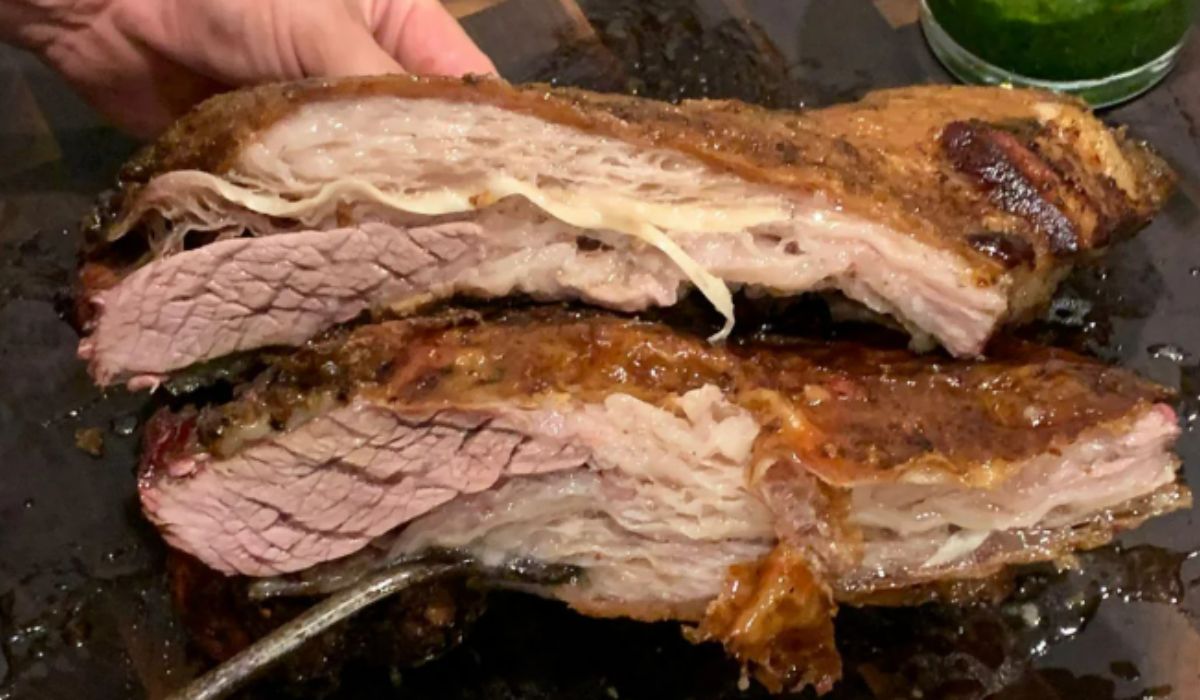
Flap Steak vs. Flank Steak vs. Vacio: What’s the Difference and How to Grill It Argentine Style
There’s nothing that brings two different cultures together quite like food, especially when it means gathering around a grill to share stories and laughter. Still, sometimes this is anything but s...
Leer más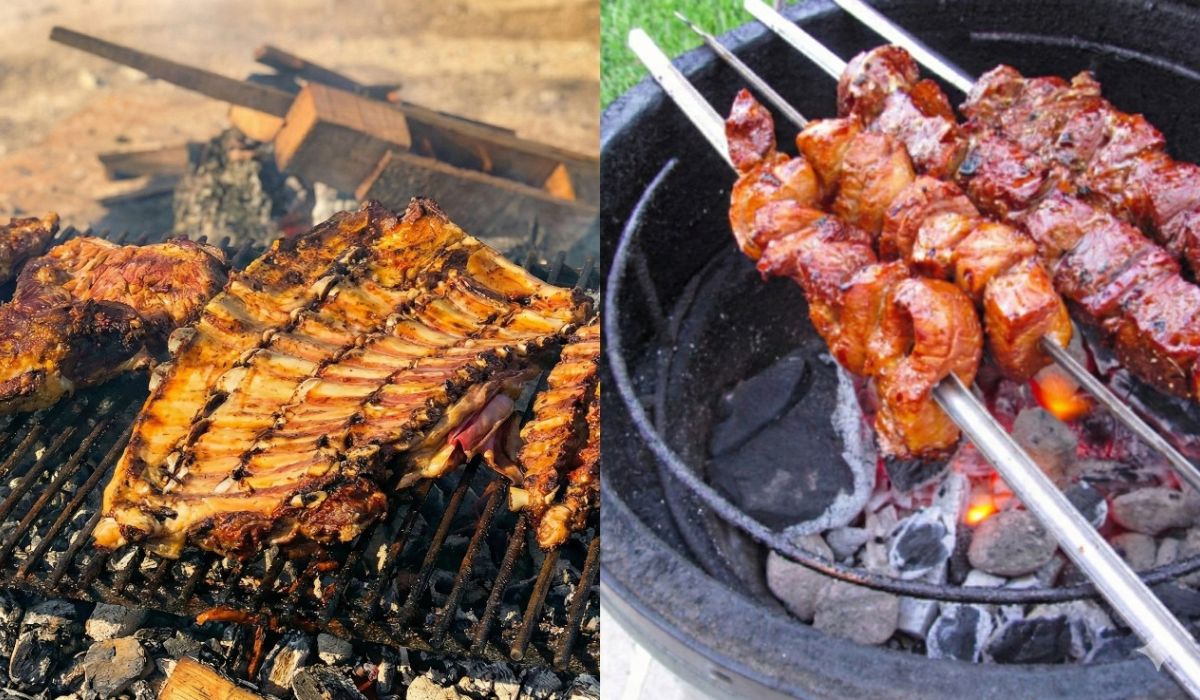
Brazilian Churrasco vs Argentine Asado: Two Grilling Traditions, One Fire
The rivalry between Brazil and Argentina goes far beyond soccer. Argentine asado and Brazilian churrasco represent two distinct, and equally beloved, approaches to the ritual of firewood cooking. I...
Leer más
Dejar un comentario
Este sitio está protegido por hCaptcha y se aplican la Política de privacidad de hCaptcha y los Términos del servicio.