


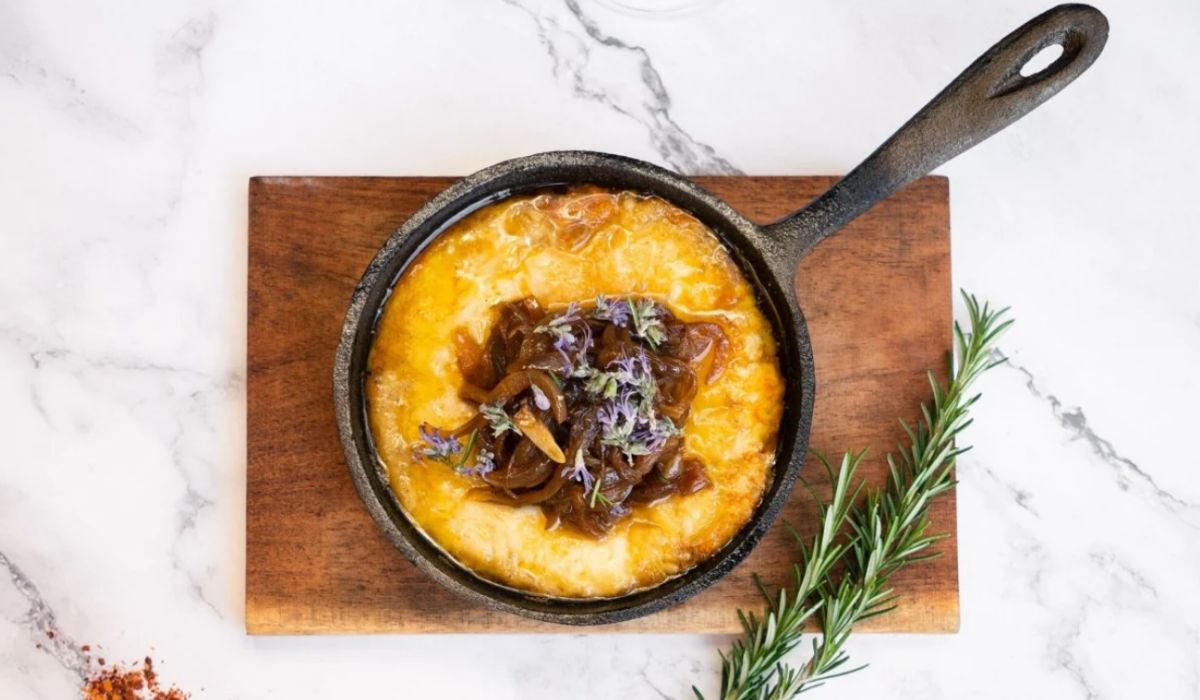
How to Cook Argentinian Grilled Provolone Cheese (Provoleta)
Take one provolone cheese. Sear it until crusty on the outside and molten inside, season with herbs, drizzle with olive oil and honey, or chimichurri sauce, and serve it warm, straight from the grill.
Grilled provolone cheese is one of the staples of Argentine cuisine: the perfect hearty, mouth-watering appetizer for an asado, or a light main dish for summer nights.
It takes minutes to grill and seconds to imprint itself in your memory. You just need a sturdy provolone skillet pan (provoletera) or a reliable Argentinian grill with V-shaped grates, a chunk of cheese, and the magic is done.
In this guide, we’ll go over the steps to cook Argentinian provoleta using the same tools you’ll find in a Buenos Aires steakhouse. Discover why the right equipment, the right seasoning, and the right grill matter, and unlock a new way to enjoy grilled cheese.
What Is Provoleta? Origins, Preparation, and Its Place in Argentinian Cuisine
Provoleta is Argentinian grilled provolone cheese. Not a grilled cheese sandwich, but a flat, round slice of cheese seared to develop a crisp, golden crust while melting on the inside until chewy.
It’s often part of the picada, an assortment of cold cuts (ham, prosciutto, salami), cheese slices, chimichurri, and rustic bread served as an appetizer before an asado or, if generous, as a light meal.
The beauty of provoleta, and the key to its place of honor in Argentine cuisine, is its simplicity. With only one ingredient and a few minutes near the grill, any aspiring asador can turn a regular barbecue into something out of the blue.
This dish is the offspring of Italian cheese heritage and Argentina’s devotion to grilling. Provoleta was born in Argentina in the 1940s, when Italian immigrants adapted provolone to cook on a gaucho grill without melting away, turning it into the perfect appetizer before an asado.
Argentinian provolone (also called provoleta) is made using the pasta filata method. This creates a “layered” cheese that melts evenly and develops a crisp crust. Good-quality provoleta is also aged, which reduces moisture, enhances flavor, and helps the cheese hold its shape on the grill.
Typical provoleta comes in thick slices, sometimes seasoned with chili and oregano, or lightly smoked. They’re usually 4–6 inches in diameter and about 1 inch thick, ideal for sharing with a small group, or among larger crowds if cut thicker.
Pro tip N° 1→ Looking to upgrade your outdoor kitchen? Discover the best Argentinian grills and how to choose the one that fits your grilling style.
Choosing the Right Cheese: Dos and Don’ts
Grilled provoleta cuts ingredients down to a minimum, making quality the true centerpiece. Not every provolone is up to the task. If the cheese is too moist, it will melt down, which, when you’re cooking over a grill, is a recipe for disaster. The flavor will also be milder, lacking the rich, salty bite that true provoleta is known for.
At Gaucho Life, we know that Argentinian provolone can be hard to find in the U.S. However, it’s not impossible. Here’s our checklist for choosing the ideal cheese for grilled provoleta:
-
Look for a high-fat cheese with an intense aroma (not mozzarella-like). For example, a 12-month–aged provolone or provolone picante.
-
Texture matters: regardless of thickness, the cheese should be firm but bend slightly. This indicates proper aging and helps it hold its shape on the grill.
-
Slices should be at least 1 inch thick. Thicker slices work best when cooking directly on the grill.
-
Avoid “dolce” provolone. The flavor profile is milder than what Argentinian provoleta calls for.
-
Try not to choose herb-seasoned cheeses, as the seasoning can burn and leave a bitter aftertaste.
In the United States, you can find suitable cheeses at Argentinian specialty retailers like The Argentino, or at high-quality specialty producers such as BelGioioso (their sharp provolone comes as close as it gets to the real thing).
You can also use medium-aged provolone (2–4 months aged) for provoleta. For better results, though, it helps to reduce its moisture content.
How? Leave the cheese uncovered in your fridge for at least 48 hours to dry it out. This enhances both flavor and texture. It will smell, but the good things in life are worth it (just remember to warn your household).

Pro tip N° 2→ Go for the full Argentinian experience. Learn how to grill beef tenderloin (Argentine lomo) on a charcoal grill.
Grilled Provoleta, Step-by-Step
Now that you know how to get that perfect golden slice of provoleta, it’s time to go through our recipe for grilled Argentinian provoleta. Keep in mind this dish is part of the Argentinian cooking tradition, and it’s most often served as an appetizer at an asado. In other words, everything starts with the grill.
Where Fire Meets Cheese: The Grill Setup
To cook Argentinian grilled provolone cheese, it’s best to use an open-frame charcoal grill, for both flavor and authenticity, and because it makes cleaning up cheese drips easier. This setup also lets you cook directly over the coals if you’re using a thick iron skillet or Argentinian provoletera.
Here’s how we set up our grills to cook provoleta, Argentinian style, at Gaucho Life:
-
For a crusty, evenly melted cheese, you want hot embers, not direct flame. Burn down charcoal lumps or hardwood logs, then rake the coals under the grill or to one side.
-
Arrange the coals into a two-zone setup: one zone packed with embers for intense heat, and a cooler zone where you can move the provoletera to help release the seared side
-
Gauge the temperature by holding your hand about 3 inches from the embers. You shouldn’t be able to hold it there for more than 4 seconds.
-
Try using a grill with wide grates to promote even searing and reduce the risk of cheese dripping through. Adjustable height is also helpful for managing temperature. Argentine Santa Maria grills with V-shaped grates combine both features well.
Pro tip N°3 → If you don’t have an open-frame charcoal grill, you can still enjoy provoleta. Just be sure to use a provoletera to prevent cheese drippings. Quality cheese shouldn’t melt down, but better safe than sorry!
How to Cook Provoleta on the Grill
There are two main ways to cook grilled provoleta: directly on the grill or in an iron provoletera. Each method has its pros and cons:
-
On the grill, provoleta often acquires a subtler, smokier flavor. However, the fat (and sometimes the cheese) can drip through the grates, and earing is limited to grill marks.
-
In a provoletera, the cheese essentially “fries” in its own fat. This produces a bolder flavor and helps develop a crisp, more even crust.
That said, the steps are largely the same regardless of the method:
-
Start by preheating the grill and wiping the grates with a high-quality cooking oil. If you’re using a provoletera, place it directly over the charcoal for at least 7 minutes and coat it lightly with oil.
-
To help with crust formation, you can dust the cheese with a small pinch of flour. This is especially helpful when using lower-quality or moist cheese.
-
Let the cheese sear for 1–2 minutes without moving it, until the bottom develops a golden crust.
-
If you’re cooking directly on the grill, rotate it 90° after minute 1, for a more even sear.
-
If you’re using an iron provoletera (such as Gaucho Life’s), gently loosen the edges with a spatula.
-
Carefully flip the provolone cheese. To help it release from the provoletera, move it briefly to the cooler heat zone.
-
Grill for another 2 minutes.
-
Remove it from the grill.
-
Invert the provoletera onto a wooden cutting board and let the cheese slide out gently.
-
Top the provoleta with oregano and red pepper flakes, drizzle with olive oil and slice into triangles to serve.

Pro tip N° 4→ If the provoletera releases thick white smoke when you place the cheese in it, it’s too hot. Remove it from the fire until the smoke stops, then return it to the coals. If you’re cooking directly on the grill, spread out the embers to temporarily lower the temperature.
Want to master perfect doneness on the grill? Explore our guide to Steak Doneness.
Seasonings, Sauces, and Pairings
The holy trinity of grilled provoleta seasoning is dried oregano (for freshness), crushed red pepper (for heat), and olive oil (because who doesn’t love it?). You’ll also find these same ingredients in chimichurri sauce, a staple of Argentinian cuisine and a must-have pairing for provoleta.
Keep in mind that provoleta pairs well with bolder flavors when cooked on the grill. Tomato marmalade, grilled mushrooms, or prosciutto add depth and contrasting textures. Rustic bread is also a natural companion.
On the other hand, when seared in a skillet, provoleta already delivers a strong flavor profile. In that case, it’s best to balance its richness with slightly acidic sauces (like criolla or chimichurri) and drinks (Malbec being the gold standard).
Bring the provoleta to the table directly in the provoletera or on a carving board, already sliced into portions. Eat it with your fingers, pizza-style, or use rustic bread to scoop it up if the cheese has melted down.
Pro tip N° 5→ Discover more pairings and sauces in our guide to Argentinian steak marinades.
Why Equipment Matters
Grilled provoleta is one of the simplest, and yet most challenging, dishes to cook at an Argentine asado. Having quality cheese and proper technique isn’t always enough; you also need the right equipment.
Why? Because standard grills or thin skillets often fail to deliver the even, steady heat that properly grilled provoleta requires. They can also lead to cheese drips, flare-ups, bitter smoke, and even warped cookware.
At Gaucho Life, we take grilled provoleta seriously. That’s why we’ve worked to create the ideal gear for cooking provolone cheese over live fire.
Our hybrid Argentine-Santa Maria grills, with V-shaped adjustable grates, with adjustable V-shaped grates, address the main challenges of grilling provoleta.
Thanks to the shape of the grates, fat drips are channeled away, preventing flare-ups while briefly “basting” the cheese from below. The result is a crispier crust and a more intense flavor profile.
Wider grates also promote more even searing and help minimize cheese loss if the provolone isn’t perfectly suited for grilling.
The crank system lets you manage temperature easily, without constantly rearranging embers under the grill. Pair it with an Argentine iron brazier for steady ember production, and you’ve got a highly effective heat-management setup for open-frame charcoal grilling.
Additionally, our Argentinian cheese provoleteras are carefully crafted to deliver even searing and rendering over white-hot coals, in the oven, or on the stovetop, protecting your cooking surface from cheese drips while adding a new twist to your Sunday barbecue.
Pro tip N° 6→ V-grates or round rod grates? Discover which grill style is right for you in our head-to-head comparison.
FAQs
Still curious about how to cook grilled provoleta? Here are the answers to some of the most common questions we hear. If yours isn’t listed, feel free to reach out. We’re always happy to help!
Can I make provoleta on a gas grill?
You can make provoleta on a gas grill. That said, you’ll need to use a quality cheese that won’t melt down and drip. Our advice? Use an iron provoletera to avoid cooking mishaps.
What's the ideal thickness for provoleta cheese?
The ideal thickness for provoleta is about 1 inch. This allows the cheese to melt quickly while staying chewy on the inside.
How can I serve individual bites of provoleta?
To serve individual bites without the mess of cutting into a hot, melted wheel, we recommend using our Multi-Cavity Provoletera. This specialized cast-iron design features separate cavities that crisp up the cheese on all sides, giving everyone the perfect ratio of crunchy crust to gooey center.

How do I keep the cheese from falling through the grates?
To keep the cheese from falling through the grates, you can:
-
Switch cheese brands. Good-quality provoleta holds its shape on the grill and doesn’t melt down.
-
Upgrade your grill setup to one with V-shaped grates. Wider grates provide better support and help catch the cheese before it drops.
-
Use a provoletera or a thick iron skillet when cooking provoleta.
Should I use flour before grilling provoleta?
Lightly dusting the provolone with flour before grilling can help reduce surface moisture and create a crispier crust, especially if the cheese is younger or more moist. However, this step is optional, not required.
Is cast iron better than grilling directly?
Using cast iron skillets often results in a crispier, more flavorful provoleta and is less finicky than cooking directly on the grates.
However, if you’re after grill marks, want a slightly lighter dish, and don’t feel like cleaning an extra pan, grilling the provoleta directly is just as valid as cooking it in a provoletera.
Cheese on the Grill? Absolutely
Since its origins, grilled provoleta has been more than just melted cheese. It’s a social ritual, a test of fire control, a symbol of Argentine cuisine, and, last but not least, a delicious dish.
Add a twist to your weeknight meals or kick off your next barbecue with a sizzle. Grab a quality piece of aged cheese, a thick skillet or provoletera, and start mastering grilled provolone cheese. The next step? Cooking it directly on the grill.
At Gaucho Life, all our products are carefully designed to bring the best of Argentinian barbecue tradition to your backyard. Explore our collection of grilling gear and discover tools and essentials to help you take your fire game to the next level.
Because we know it’s more than just grilling. It’s a lifestyle.

Read more
How to Grill Beef Tenderloin: Argentinian Style
One of the most universally recognized qualities of great beef is tenderness. Most of the time, that tenderness, along with deep, crave-worthy flavor, comes from a cut’s marbling. But beef tenderlo...
Leer más
Wet Brine vs. Dry Rub: Mastering Flavor the Argentinian Way
Great barbecue doesn’t happen by accident. Several forces come together to shape the result. Which ones? To start with: good company, the right grilling technique, a sturdy Santa Maria grill, a con...
Leer más
Dejar un comentario
Este sitio está protegido por hCaptcha y se aplican la Política de privacidad de hCaptcha y los Términos del servicio.