


Wet Brine vs. Dry Rub: Mastering Flavor the Argentinian Way
Great barbecue doesn’t happen by accident. Several forces come together to shape the result. Which ones? To start with: good company, the right grilling technique, a sturdy Santa Maria grill, a constant supply of embers, quality meat cuts, and last, but never least, seasoning.
Here, the classic American rivalry between wet brining and dry rubs meets a new contender: Argentinian salmuera, the undisputed queen of any asado. This simple, salt-based solution is used to baste the meat as it grills, maximizing flavor and juiciness without masking the meat itself.
In this guide, we’ll walk through these three seasoning methods, breaking down how they’re prepared, how they affect flavor and texture, and which cuts, grills, and techniques they’re best suited for.
Just remember there’s no universal best method, only the right one for the cut, the grill, and the fire.
Method N° 1: Wet Brining
One of the simplest and most versatile ways to add moisture and tenderness to lean cuts is to submerge them in a wet brine. This is a saline solution with a 2%–5% salt concentration, sometimes flavored with garlic, pepper, bay leaf, ground chili, or sugar.
When meat is left to soak, it gradually absorbs the water, salt, and seasonings. This enhances flavor evenly throughout the cut, softens muscle fibers, and helps retain moisture during cooking. A minimum 1-hour soak is usually required for proper absorption. The thicker and firmer the cut, the longer the brining time needed.
Wet brining is especially useful for adding moisture and flavor to lean cuts that tend to dry out on the grill, such as chicken breasts and pork chops, as well as shrimp and white fish.
That said, wet brining comes with a few notable drawbacks:
-
Diluted flavor. The extra water absorbed by the meat lowers overall flavor intensity.
-
Rubbery skin. Salt solubilizes skin proteins, making it harder for the skin to tighten, brown, and crisp properly.
-
Longer cooking times. The “excess” water slows the meat’s ability to reach optimal cooking temperatures.
These issues often arise when cooking wet-brined meat on charcoal grills that rely heavily on radiant heat, such as traditional gaucho grills.
By contrast, wet brining is better suited to grilling setups that allow for longer cooking sessions, simpler fire management, or indirect-heat systems, where moisture loss is easier to control.

Pro Tip N° 1 → For a crisper result, rinse the meat after brining and dry it thoroughly before grilling.
Method(s) N° 2: Dry Brining vs. Dry Rubs
Beyond striking the ideal balance between juiciness and bark, dry seasoning allows flavor to penetrate every fiber without added moisture, resulting in juiciness that comes from the meat itself, enhanced, not diluted, by the seasoning.
However, it’s important to distinguish between dry rubs and what’s known as dry brining. Dry rubs combine herbs, spices, and salt. Dry brining, by contrast, consists of rubbing the meat with salt alone (typically kosher, at about ½ teaspoon per pound of meat).
Because the seasonings aren’t dissolved in water, dry rubs and dry brining take longer than wet brining: salt must first draw out moisture and dissolve the seasonings before diffusing back in. Large, thick cuts are usually seasoned for 12–48 hours in the refrigerator to ensure proper salt diffusion and gradual tenderization.
Dry seasoning truly shines with dry-heat grilling setups, like most Argentine and Santa Maria grills. Open-frame grills allow ambient humidity to escape freely, helping build a strong, flavor-dense crust.
That said, bark formation differs depending on whether you’re cooking large cuts (such as brisket or vacío–flap steak) or simply searing a steak:
-
With large, though cuts, the crust develops gradually through slow dehydration and fat rendering, which thickens and strengthens the bark.
-
With a steak, the crust must form quickly, driven by the Maillard reaction. To achieve it, it’s essential to pat the meat dry and to work with a very hot grill
Quick note: the adjustable grates of Santa Maria grills make it easy to adapt to both styles: lower them for a fast, high-heat sear, and raise them to cook thick cuts slowly and evenly.

Pro Tip N° 2→ When applying a dry rub, it’s best to salt the meat first and only then add the herbs and spices. This maximizes salt absorption and helps the rest of the seasonings penetrate more effectively.
Method N° 3: Salmuera (Argentinian Asado’s Signature)
Dry rubs and wet brines belong to the realm of meat preparation. By contrast, with Argentinian salmuera, seasoning becomes a hands-on, live-fire process, especially when grilling vacío, short ribs (asado de tira), sweetbreads, or even spatchcock chicken.
Salmuera is neither a soak nor a crust, but a live-fire basting solution. Traditionally, the asador keeps a saline mixture (the salmuera) in a glass bottle and sprinkles it over the meat as it cooks. This keeps the surface hydrated, promotes an even, thin crust, and reduces moisture loss. It also helps liquefy and spread rendered fat, boosting surface flavor.
Rather than being “responsible” for infusing flavor into the meat, salmuera enhances the meat’s natural flavor and texture. Because the meat has very little time to absorb liquid, salmuera uses a higher salt concentration than dry rubs or wet brines. A good reference ratio is about 3 ounces of kosher or coarse salt per ¼ gallon of water.
Salmuera is traditionally prepared in a saucepan. The process is simple: add the salt to warm water and heat until fully dissolved. You can flavor it with ground chili, rosemary, crushed garlic cloves, and a few bay leaves. Before pouring the mixture into the bottle and using it, let it cool to room temperature.
To baste meat with salmuera like an authentic Argentinian asador:
-
Lightly rub the meat with a pinch of salt.
-
Once the juices begin to pool on the surface, sprinkle the salmuera.
-
If your bottle doesn’t have a spout or perforated cap, cover the opening with a finger, leaving a small gap for the liquid to flow out.
-
Try not to wet the embers too much. Ideally, use an iron brazier to generate fresh embers and feed the grill as needed.
-
When the salmuera evaporates, baste the meat again. Repeat this process until cooking is complete.
-
If you run out of salmuera before the meat is done, baste with warm water infused with herbs and spices, but no salt.
While this method is most commonly associated with cooking on an Argentinian iron cross, it works just as well on Argentinian parrillas with V-shaped grill grates, or Santa Maria grills. As long as you rely on a brazier for steady ember production, you shouldn’t run into any issues!
Pro Tip N° 3→ Find the setup that best fits your cooking style. Check out our comparison between Santa Maria vs. Gaucho grills.
The Science Behind It: What Salt Does to Meat
The indispensable ingredient in most wet brines, dry rubs, and basting mixtures is salt. Essential to tenderness, juiciness, searing, umami, and overall meatiness, salt plays a central role in how we experience grilled meat.
How does it do this? Salt works by triggering four key processes (osmosis, diffusion, protein denaturation, and polymerization) that directly affect both texture and flavor. Simply put, it works like this:
-
When you place a cut of meat in a brine or season it with a dry rub, water is drawn out of the muscle fibers toward the surface to balance salt concentration. This “moisture movement” is known as osmosis.
-
That water dissolves the salt, and salt ions begin diffusing inward, moving into the less salty interior. As the meat reabsorbs liquid, salt ions start denaturing proteins, “stretching” muscle fibers, and tenderizing the meat.
-
As proteins denature, they bond with one another, forming a network that traps water. This ensures juiciness and helps create a thin, well-seasoned exterior. This process is known as meat (or protein) polymerization.
-
Salt that remains on the surface of the meat (when basting with salmuera) or inside the meat (through wet brining or a long dry rub) also boosts aroma intensity and perceived flavor.
Now, that’s what generally happens when meat is salted. The final result, however, depends largely on how the meat is seasoned. For example:
| Method | Osmosis | Diffusion | What Happens? | Results |
|---|---|---|---|---|
| Wet-brine | Water moves into the meat | Salt diffuses deeply over time | Meat tenderizes and retains moisture through water and salt absorption | Tender, juicy meat with minimal bark. Flavor can be diluted if overdone |
| Dry-rub | Water moves out and back into the meat | Salt diffuses moderately deep over time | Salt delays protein tightening, improving juiciness and tenderness | Promotes Maillard browning and bark formation while preserving beef-forward flavor |
| Salmuera basting | Cooking prevents true osmosis | Minimal inward diffusion | Limits dehydration and redistributes rendered fat; gradual protein changes help retain moisture | Thin, elastic bark with good tenderness and enhanced surface flavor |
Pro Tip N° 4→ Enjoy that perfectly tender bite. Learn how to grill beef tenderloin on a charcoal grill.
Compatibility Check: Method and Cut
Grilling brings people together, as it brings together specific cuts and techniques. No single seasoning method is universally “the best” for grilling steak, chicken, or pork, but some cuts truly shine when they’re wet-brined, dry-rubbed, or basted with salmuera. Here’s the cheatsheet we use when putting together an asado at Gaucho Life:
| Meat Cut | Best Technique | Why Does It Shine? |
|---|---|---|
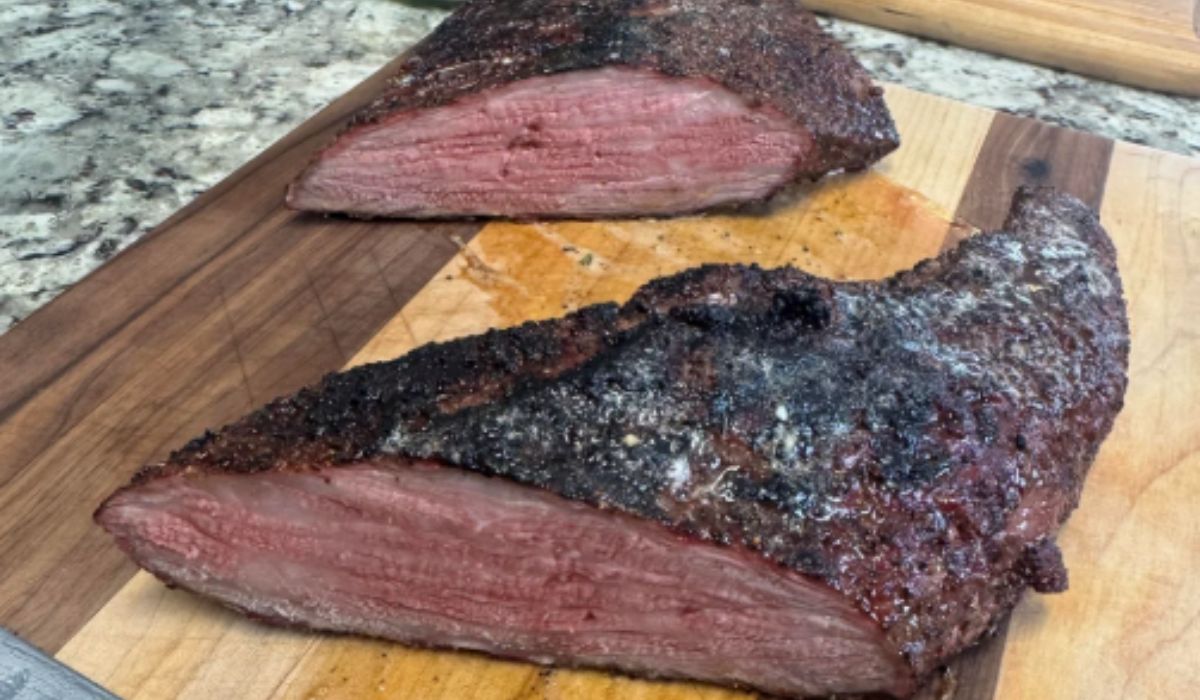
| Tri-tip | Salt & pepper dry-rub (4–12 hours) | Improves tenderness and moisture retention while enhancing beefy flavor; promotes solid crust formation |
| Vacío (flap steak) | Salmuera | Helps limit moisture loss during long, radiant cooking sessions |
| Ribs (whole) | Salmuera | Preserves surface flexibility and enhances perceived flavor during extended cooks |
| Chicken breast | Low-salt wet brine (1 hour) | Prevents dryness and boosts juiciness in an otherwise lean cut |
| Lamb or goat (whole) | Salmuera | Moderates surface heat and maintains hydration during long, cross-style asado cooks |
| Pork shoulder | Dry rub | Builds a strong bark and balances the cut’s internal fat over long cooks |
| Brisket | Dry rub | Essential for bark formation, depth of flavor, and proper tenderness |
Following this cheatsheet will definitely point you in the right direction, but up to a point. After all, a successful asado has many forces at play.
In most cases, having the right grill setup and precise fire control can be just as important as choosing the correct method–cut pairing. And that’s where many good matches fail. Not because of the meat or the method, but because of the grill
Pro Tip N° 5→ Want to explore even more seasoning options? Check out our guide on Argentinian steak marinades.
It’s Not You, It’s the Grill: When the Setup Makes the Difference
Sometimes, compatibility between a cut of meat and a seasoning method isn’t enough. When grilling dry-rubbed meat or cooking with salmuera, not every grill is up to the task. Flare-ups that burn the rub, embers dying out when salmuera drips onto them, grates corroded by salt, insufficient heat… these are all real challenges.
In short, getting the most out of these seasoning methods requires a grill that can handle both high-heat searing and long, slow cooking, is built from high-quality, corrosion-resistant materials for even heat distribution and duration, and features an open frame that keeps airflow moving to prevent that “boiled meat” texture you definitely don’t want.
At Gaucho Life, we’re lifelong advocates of basting, rubbing, and brining. We design our grilling gear to be versatile and to deliver consistent results with these techniques. Our catalog includes:
-
Stainless steel Santa Maria grill designed to resist corrosion from salt-heavy basting and suited for both quick sears and low-and-slow grilling sessions.
-
Cast-iron gaucho grills, which require a bit more maintenance but provide steady, even heat.
-
Argentine iron grill sets, complete with a side brasero to continuously produce clean embers and keep your grill properly fueled.
-
BBQ cross grills, for those looking to put a uniquely Argentinian spin on their barbecue.
Sometimes, a good match just needs the right context to work. Explore our catalogue and start building a grill setup that stands by your favorite cuts and seasoning methods, through the highs and the lows.

Pro Tip N° 6→ Chivito (whole goat) cooked on BBQ cross grills is the traditional, salmuera-basted asado. Learn how to make it with our guide to Argentinian cross-style BBQ.
FAQs
Want to know more about how to season meat for grilling, with Argentinian salmuera? Here are answers to some of the most common questions we hear. If yours isn’t listed, feel free to reach out. We’re always happy to help!
What’s the difference between a dry rub and a dry brine?
With a dry brine, you season the meat with coarse salt only and let it rest for several hours before grilling. A dry rub, on the other hand, mixes salt with herbs and spices, which are rubbed onto the meat as a single mixture.
Can you use salmuera on pork or just beef?
Salmuera basting works exceptionally well for beef, chicken, and pork, especially when grilling thick cuts or whole pieces that require long cooking sessions and that you don’t want to dry out.
Is it necessary to rinse off wet brine before grilling?
While it’s not strictly necessary, rinsing off the wet brine and patting the meat dry before grilling reduces the risk of a rubbery texture and helps a crispier crust develop.
Can you combine salmuera with chimichurri?
Yes, you can combine salmuera with chimichurri and use it for basting while grilling. Just avoid adding extra seasonings to the saline solution itself to keep flavors clean and well-balanced.
What kind of grill is best for basting with salmuera?
In Argentina, salmuera is traditionally used when cooking on vertical BBQ cross grills. For more conventional grilling, stainless steel Santa Maria grills are one of the best grills for this technique, while offering superior resistance to salt-related corrosion.
A Flavor Shaped by Fire and Salt
Simple and primal as it may be, seasoning with salt comes with its own set of techniques. Understanding what salt actually does to meat (how it moves moisture, reshapes proteins, and builds flavor) helps you choose the ideal seasoning method for each cut. That’s the first step toward mastering flavor, texture, and sear.
The next step is pairing that method with the right grill and fire setup. Wet brining, dry rubs, and salmuera aren’t competing approaches, but tools, each designed for a specific moment at the grill and a specific result.
At Gaucho Life, we build Argentinian grills engineered for versatility, precise fire control, and consistent results. Explore our catalogue and find the centerpiece of your outdoor kitchen.
Because we know that it is more than just grilling. It’s a lifestyle.

Read more
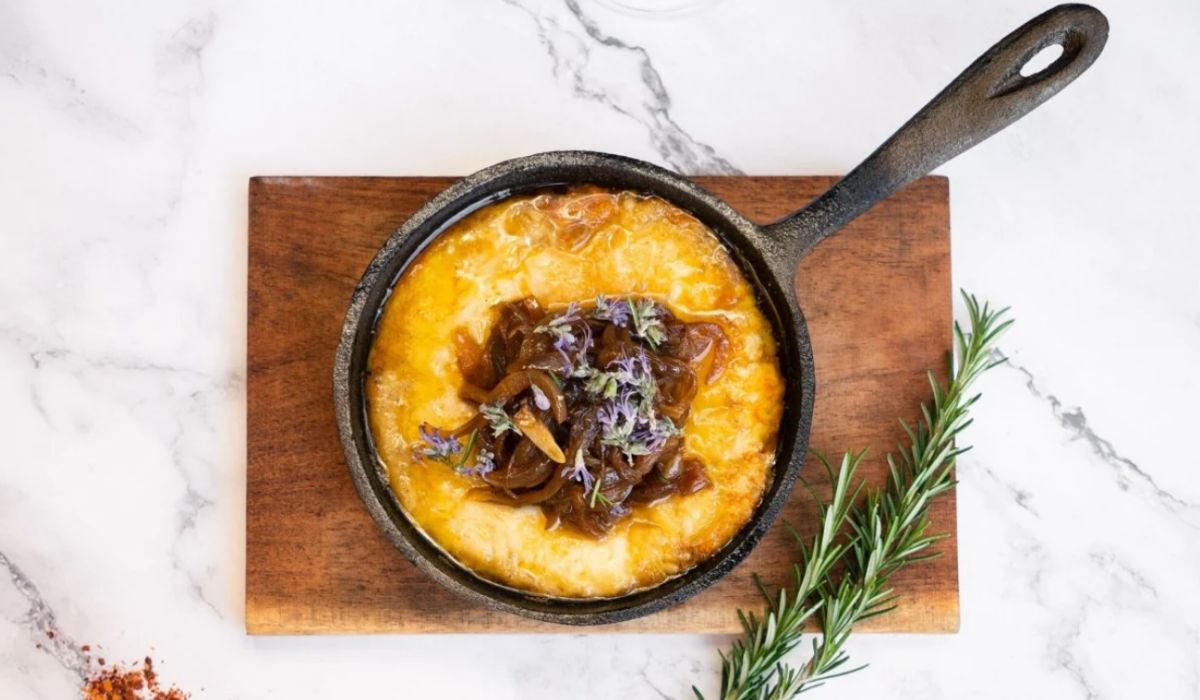
How to Cook Argentinian Grilled Provolone Cheese (Provoleta)
Take one provolone cheese. Sear it until crusty on the outside and molten inside, season with herbs, drizzle with olive oil and honey, or chimichurri sauce, and serve it warm, straight from the gri...
Leer más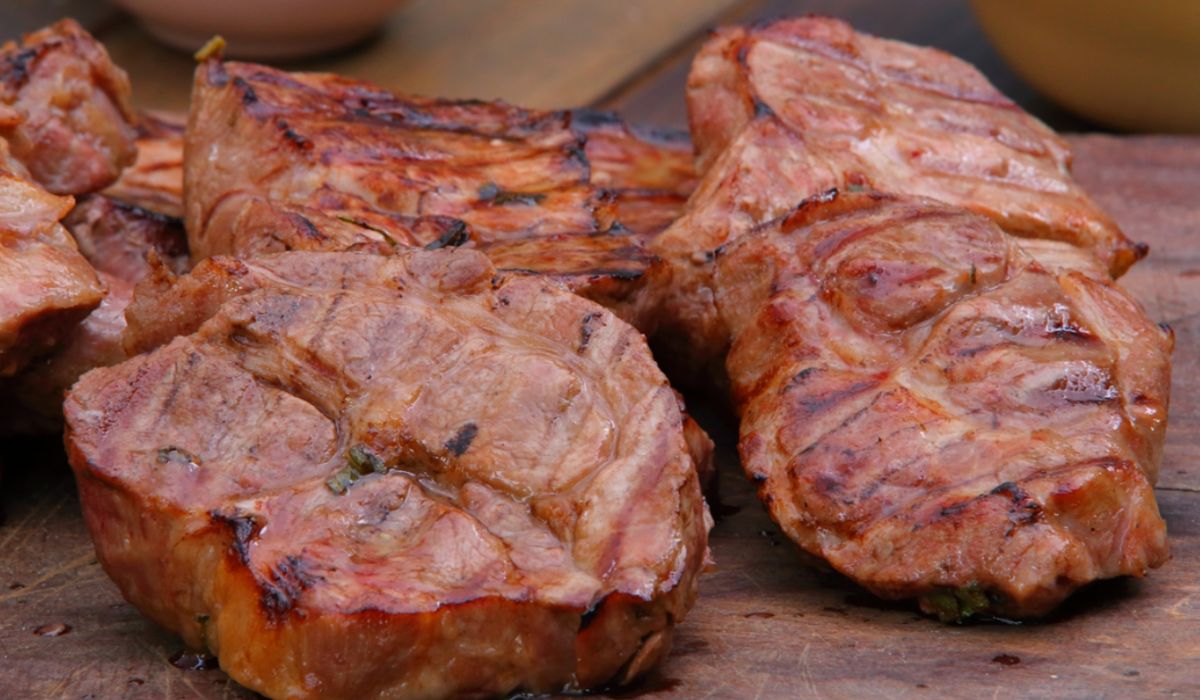
How to Grill Bondiola (Boston Butt) the Argentinian Way
When it comes to a cut that’s juicy, deeply flavorful, perfectly balanced between firm and tender, and easy to master on the grill, plenty of contenders step up, but only one truly steals the show:...
Leer más
Dejar un comentario
Este sitio está protegido por hCaptcha y se aplican la Política de privacidad de hCaptcha y los Términos del servicio.