

%20take%20over%20the%20grill.%C2%A0%0AA%20staple%20in%20most%20homes%20as%20well%20as%20in%20luxury%20restaurants,%20Argentine%20beef%20ste...)
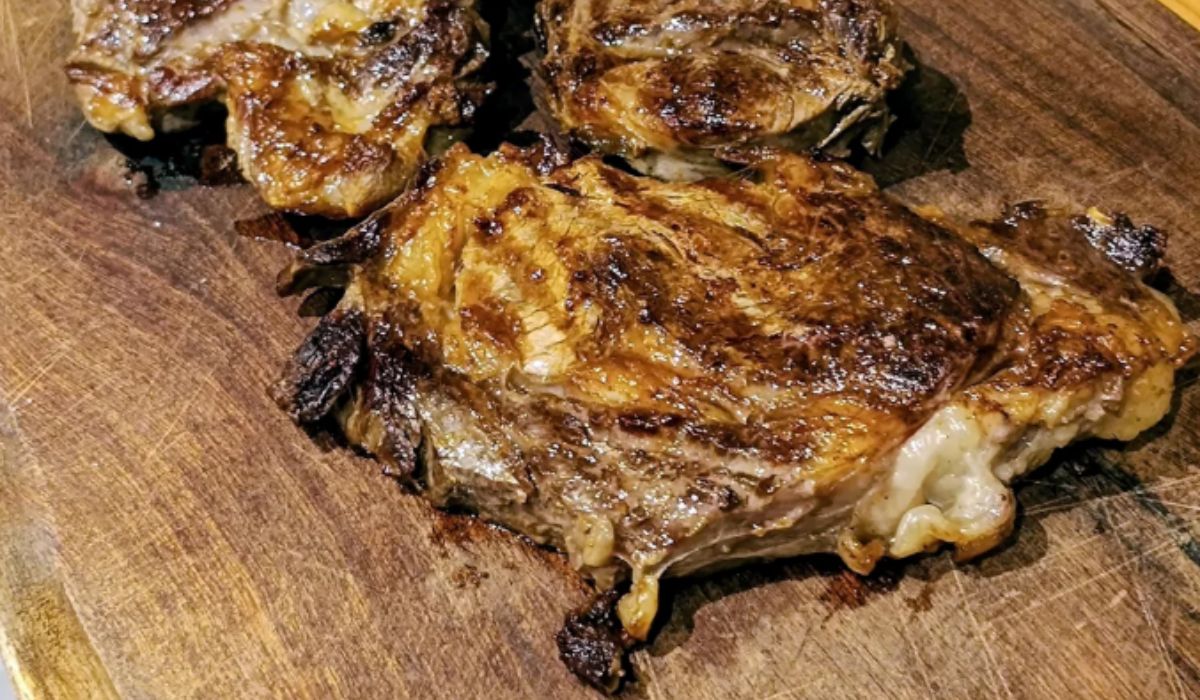
The Definitive Guide to Argentine Steaks (Bifes)
In Argentinian cuisine, asado is the master of the weekends. In between, Argentinian bifes (steaks) take over the grill.
A staple in most homes as well as in luxury restaurants, Argentine beef steaks offer a slight twist to other steak traditions. Here, the focus is on texture and wood-fired thermodynamics rather than marbling and charring. In other words, it is not only a matter of technique: choosing the right cut is key to it.
In this guide, we’ll introduce you to the beef types you’ll commonly find in an Argentinian steakhouse, and to their U.S. equivalents. We’ll also discuss the importance of using Argentine grills, the proper technique, and the right cut to bring the steakhouse experience into your home.
Ready to discover what it is that makes Argentinian bife unique?
It’s All in The Cut
No steakhouse experience or late-night dinner is complete without a slice of perfectly seared beef on the plate. Argentine beef types used for steak are typically sliced into 1 ½ inch-thick pieces and cooked on a piping-hot iron griddle or grill.
Here, there’s no time for collagen or tough intramuscular fat to break down by long-and-slow grilling. Being relatively thin, beef steaks need to be cooked quickly to prevent the meat from drying or becoming chewy. Tender beef cuts are the standard for Argentine beef steaks.
Marbling and fat caps are viewed as assets, but aren’t decisive for choosing a cut. With Argentinian steakhouse cuts, flavor is guaranteed by the meat’s quality (often from grass-fed cattle) and the Maillard reaction, a chemical reaction that happens when the meat is exposed to low moisture and high heat.
To achieve the perfect bife, Argentine butchers break down the primal cuts with tenderness and flavor in mind. As a result, Argentinian steakhouse cuts don’t always line up exactly with their U.S. counterparts. Some are roughly equivalent, but others differ significantly, sometimes combining what would be two or more separate cuts..
If your goal is to recreate the Argentine steakhouse experience in your backyard (or in your kitchen when the weather is not on your side), ask your butcher for specific trims, or look for the Argentinian cuts at a specialty retailer. What to ask for? Head to the next section to find out.
Pro Tip N°1 → Planning an asado? Discover which cuts bring the pampas flavor to your table with our guide on the best cuts for Argentinian grilled meat.
Essential Argentine Steaks and Their US Equivalents
In Argentina, bife (steak) refers to how the meat is cut and cooked rather than to a specific cut of beef. By that logic, you can turn almost any cut into a steak… but only a few will truly deliver outstanding results.
Below, you’ll find the top five Argentine beef types used for steaks, along with their U.S. equivalents, plus notes on flavor, texture, grilling methods, and how they compare side by side.
Fire up your iron plancha, and sharpen your knife. The real beef has just begun.
Bife de Chorizo (New York Strip)
Argentine bife de chorizo (U.S. New York Strip steak) is the ultimate Argentinian steakhouse cut: lean, fairly tender, and with a thick fat cap on the edge. This cut serves as the go-to choice for a signature steak experience, where the grass-finished flavor of Argentinian beef takes center stage.
Similar to New York Strip, bife de chorizo is cut into thick rectangular slices and grilled quickly on both sides. The Maillard reaction brings out its natural flavor, and the fat cap renders slightly, basting the meat for added juiciness.
Like most Argentine beef cuts, bife de chorizo benefits from simple seasoning that enhances rather than masks its natural flavor. Because it’s already tender, it doesn’t need marinades or pounding. A generous pinch of salt and freshly ground pepper is all it takes. The rest is up to the quality of the meat.

Read our guide on how to grill New York Strip steak for an in-depth look at some tried-and-true cooking techniques.
Ojo de Bife (Ribeye Steak)
Ribeye or ojo de bife is the star of the grill, no matter where you are. With its rich marbling and deep flavor, it holds its own in most grilling traditions. The Argentine and U.S. versions are fairly similar. Its main difference is that ojo de bife is typically sold boneless*, while bone-in ribeyes are common in U.S. retailers.
As tender and juicy as it gets, ribeye steak is an essential cut for every asador worth its salt. Thanks to its high content of intramuscular fat, this cut is more forgiving than bife de chorizo or filet mignon. However, it comes with issues of its own.
With ribeye steaks, the main challenge is finding the perfect balance between searing the steak over high heat and rendering the fat without overdoing it. When grilling Argentinian beef steaks at Gaucho Life, we often use a reverse-searing approach to rise over this. You can find a breakdown of this method in our article on how to grill ojo de bife on a charcoal grill.
*Note: The bone-in ojo de bife is known as bife ancho in Argentina, and often includes a few nearby muscles beyond the main ribeye.

Bife de Lomo (Filet Mignon)
Tender as butter and extremely lean, bife de lomo is cut directly from the tenderloin. In Argentina, bife de lomo refers to both the filet mignon (also called medallon de lomo) and the sliced head of the tenderloin. The second cut often comes with a fine marbling, delivering juicier results and making it ideal for the grill.
Bife de lomo isn’t as flavorful as other Argentine beef types, but its tenderness is unparalleled. When carefully grilled to medium-rare, the result is a juicy, delicate steak that embodies some of the best qualities of Argentinian cuisine.

Santa Maria grills, with their adjustable grates, provide a more reliable way to cook this cut. They let you quickly switch between high and low heat, compensating for the lack of a protective fat cap. Ready to get started? Our guide on how to grill beef tenderloin will point you in the right direction.
Bife de Costilla (T-Bone)
The Argentinian equivalent of the U.S. porterhouse and T-bone is the bife de costilla. Also sliced from the mid-primal, this bone-in cut combines strip and tenderloin, giving you two textures and flavor profiles in a single steak.
With the bone for extra flavor and side fat for added juiciness, this is a remarkable cut, though tricky to cook evenly. Constant rotation and a high-quality iron griddle are key for thinner pieces. Thick bifes de costilla can be cooked directly on a grill without fear of drying out.
Pair a good porterhouse or T-bone with chimichurri sauce or a simple salt-and-pepper seasoning, and you’ll get as close to a midweek Argentine dinner as it gets. Fancy a more Sunday-asado approach? Learn how to cook the perfect ribs on a Santa Maria grill, Argentine-style.
With the bone adding depth of flavor and a strip of side fat boosting juiciness, this is a remarkable cut, though not the easiest to cook evenly:
-
For thinner steaks, constant rotation and a high-quality Argentine plancha griddle often make all the difference.
-
Thicker bifes de costilla, on the other hand, can go straight on the grill without much risk of drying out. Santa Maria grills with V-shaped grates will help you prevent flare-ups as the fat renders.
Pair a good porterhouse or T-bone with chimichurri or simply season it with salt and pepper, and you’re about as close as it gets to a midweek Argentine dinner. Looking for something more in line with a traditional Sunday asado? Check out our guide on how to cook ribs on a Santa Maria grill, Argentine-style.
Bife Ancho (Prime Rib)
Although not a traditional Argentine steakhouse cut, the bone-in ojo de bife, also known as bife ancho, has grown in popularity in recent years. The bone enhances the meat’s natural flavor and adds a rustic appeal to the table, not to mention the chance to pick the bone clean!
Much like prime rib, bife ancho includes the ribeye along with some adjacent muscles, resulting in a large, succulent cut packed with intramuscular fat to deliver exceptional tenderness and juiciness. Because of its fat content and the presence of the bone, it takes longer to grill than other bifes, but for those seeking a true all-in-one steak experience, it’s well worth the wait.
Bife de Cuadril (Rump Steak)
One of the most common Argentine beef types is the bife de cuadril, roughly equivalent to U.S. rump steak. In Argentina, the cuadril includes several connected muscles, which help it stay juicy when grilled to medium-rare, but may cause fibrous seams that make certain portions slightly tougher.
Bife de cuadril is a lean, versatile cut, perfect for everyday meals, since it’s typically more budget-friendly than ribeye or bife de chorizo. It delivers both tenderness and a robust beef flavor without heavy fat caps, and pairs beautifully with other staples of Argentinian cuisine, such as chimichurri and BBQ grilled vegetables.
Pro tip N° 2 → Looking to upgrade your outdoor kitchen? Discover how Gaucho Life’s handcrafted Argentine grills can transform your backyard into an authentic Argentine steakhouse.
Raising the Steaks: A Grill Built for the Beef
Argentine cuisine relies on straightforward flavors and the quality of its ingredients. It seems simple… yet it’s anything but. Pulling it off requires the right gear.
While asado is an hours-long ritual, steaks are cooked quickly, either on the stovetop or over a piping-hot grill. The open frame and wide grates of gaucho grills allow for stronger airflow, helping the fire burn hotter and the meat develop a caramelized crust.
When cooking steaks Argentinian-style, other key features to look for in a grill are:
-
V-shaped grill grates. A hallmark of Argentine grills, they channel fat away from the fire, reducing flare-ups and preventing the acrid smoke that can ruin a premium cut.
-
Adjustable grates. Common in Santa Maria grills, height-adjustable grates give you precise control over heat exposure, making it easier to sear hard and fast, or back off when needed.
-
Ion grill brazier. Most Argentine beef types truly shine on charcoal grills. To keep your grilling space in order, while accessing a constant heat source, use a sturdy side brasero to burn down charcoal lumps or quebracho wood logs.
When the stakes are high (and on the steak), you don’t want to leave anything to chance. Choosing a grill that matches your cooking style allows you to cook with confidence and deliver results worthy of the cut. Ready to upgrade your setup? Explore our guides to the best Santa Maria grills and the best Argentine grills for home use.
Pro tip N° 3 → For thinner steaks, griddles often deliver juicier results. Choose a carbon steel griddle for advanced heat retention or a stainless steel (inox) model for easy maintenance.
Want to understand these underbelly cuts like a grillmaster? Check out our guide on Flank Steak vs. Flap Meat.
FAQs
Still curious about the differences and similarities between Argentinian beef types? Here are the answers to some of the most common questions we hear. If yours isn’t listed, feel free to reach out. We’re always happy to help!
What is the main difference between Bife de Chorizo and a standard Strip steak?
While bife de chorizo and New York strip steak come from the same general cut, there are some differences between them. Mainly, that bife de chorizo is typically cut thicker (around 2 inches), features a pronounced fat cap, and is usually sourced from grass-fed cattle, resulting in a leaner texture and a more beef-forward flavor.
Should I trim the fat off my Argentine-style steaks?
When cooking a steak on a grill, it’s better to leave the fat cap intact. As it renders, the fat naturally bastes the meat, preventing it from drying out. If you prefer a leaner result, you can trim the fat from an Argentine steak, just make sure to cook it on a griddle for a juicier result.
Why does the Argentine style use only coarse salt for seasoning?
Coarse and kosher salt are the standard for Argentine-style grilling. Fine salt dissolves too quickly, leading to uneven seasoning. The larger crystals of coarse salt distribute evenly and draw moisture to the surface of the meat, promoting better browning through the Maillard reaction and helping you achieve a proper sear.
Can I achieve a restaurant-quality sear on a gas grill?
Yes, you can achieve restaurant-quality searing on a gas grill, as long as you preheat it to high heat, and pat the meat dry before placing it on the grates, to enforce the Maillard reaction.
How does the V-grate improve the flavor of a marbled Ribeye?
V-shaped grill grates, typical of Argentine grills, keep grease drippings from the ribeye’s high fat content from causing flare-ups and harsh smoke. This protects the beef’s natural flavor, ensuring it stays clean.
From Steak to Bife (No Beef Intended)
Juicy. Crispy. Flavorful. A grilled bife is one of the most rewarding ways to enjoy Argentine beef. All it takes is the right cut and a charcoal grill, and in just a few minutes, you’ll have a perfectly seared steak with all the flavor and flair that make the Argentine steakhouse experience so special.
It may sound simple, but at Gaucho Life, we know that achieving the perfect steak isn’t quite that easy. Enjoying an authentic Argentine bife is all about the right cut, precise technique, and a grill that lives up to the beef.
Browse our guides to learn how to cook the main Argentinian beef types, or explore our collection of handcrafted Argentine grills to find the setup that brings a touch of Argentina’s fire tradition to your backyard.
Because at Gaucho Life, we know that it is more than just grilling. It’s a lifestyle.

Read more
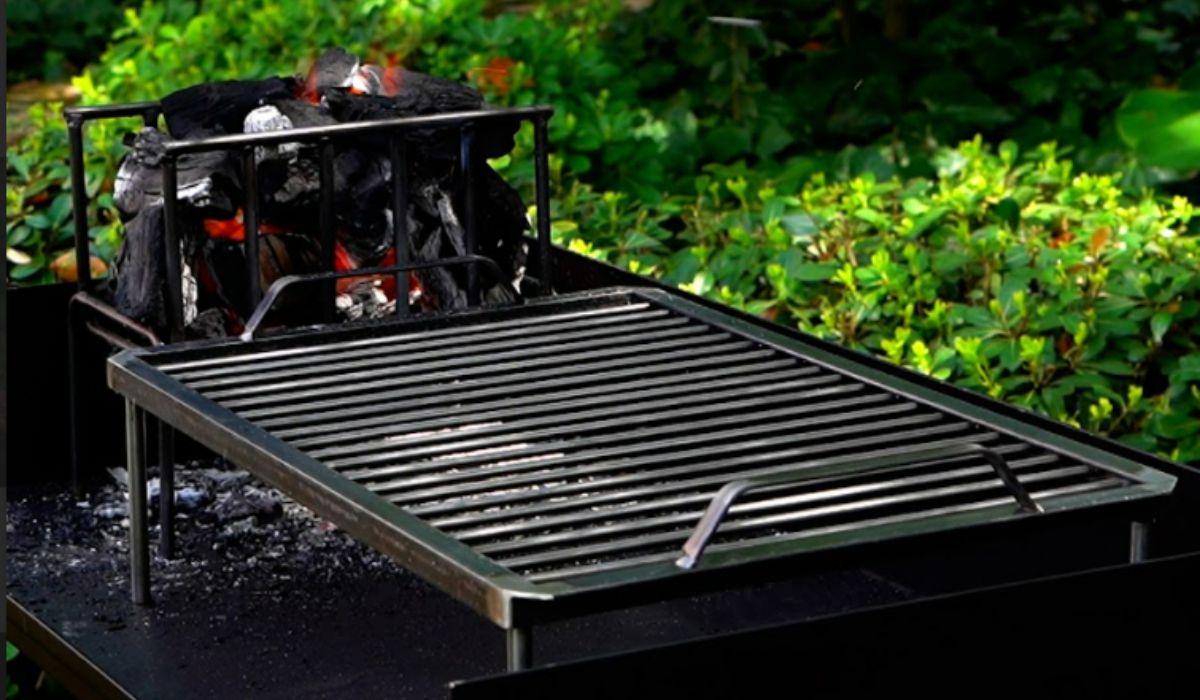
Cómo limpiar las rejillas de la parrilla (Edición parrilla argentina)
Hace algún tiempo, publicamos nuestra guía sobre Cómo limpiar las rejillas de la parrilla y evitar que se oxiden. Ahora, llega la edición de parrilla gaucha . Limpiar su parrilla no es solo una ...
Leer más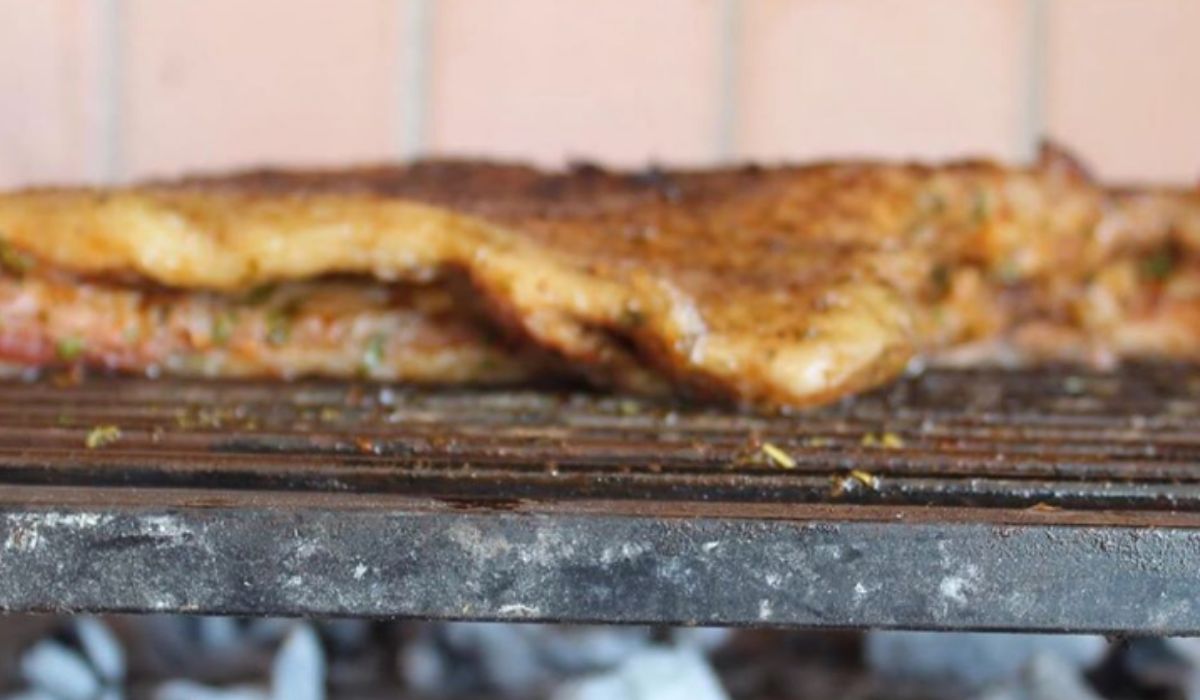
Flank Steak vs. Flap Meat: The Underbelly of the Argentinian Asado
The U.S. grilling landscape is a roadmap of flavors and techniques. Lately, it has broadened southbound, embracing new charcoal-fueled traditions, from Mexican carne asada to Argentine asado. Grill...
Leer más
Dejar un comentario
Este sitio está protegido por hCaptcha y se aplican la Política de privacidad de hCaptcha y los Términos del servicio.