



Tri-Tip vs. Picanha: Which Sirloin Reigns Supreme on the Grill?
Hamburgers, ribeye, and sausages hold place on every U.S. grill. But lately, you have been thinking of trying something new. Well then, picanha and tri-tip might just be the beef cuts you’re looking for.
Relatively affordable, especially when compared to traditional premium steaks, picanha and tri-tip only require a bit of charcoal, solid technique, and the right Argentinian grill to become a memorable eating experience.
In this article, we’ll break down what makes each of these cuts one of a kind, how to grill them properly, and which tools to use to bring out their full potential.
Ready to fire up your grill?
Understanding the Cuts
Tri-tip and picanha can be easily confused. Especially, if you’ve never seen these cuts side by side. Both have a triangular shape and come from the cow’s rump or sirloin, an area that runs from the mid-back down to the hip.
Picanha (also known as the ‘rump cap’) sits right on top of the tri-tip and is the more tender of these two cuts. It stands out thanks to its thick, even fat cap, which slowly renders on the grill. This fat keeps the meat extra juicy and tender and, when grilled over hardwood, adds a subtle smoky depth. Tri-tip, on the other hand, is leaner, with tighter, thicker muscle fibers, giving it a chewier, more substantial bite.
Both of these cuts truly shine on the grill. Still, they are fairly versatile. Picanha can be smoked or cooked on a plancha grill (griddle), often sliced into thick steaks (about 1 1⁄2 inches), while tri-tip can also be shredded or used in sauces.
Grilled tri-tip and picanha come with their own set of challenges. Because tri-tip is so lean, it can dry out quickly if the grill runs too hot or if you miss the pull time by just a bit. With picanha, dripping fat can cause flare-ups, burning the meat or creating bitter smoke that overwhelms the flavor.
The good news? These are easy to manage with a little practice and the right techniques. Reverse searing, for example, is perfect for beginners who struggle to hit the right doneness, while two-zone or indirect grilling helps keep flare-ups under control.
Pro Tip N°1 → The right tools (like a reliable meat thermometer or Gaucho Life’s Santa Maria grill with V-grates) also make a huge difference when cooking these cuts.
| Cut Characteristics | Picanha | Tri-Tip |
|---|---|---|
| Primal source | Sirloin cap (rump cap), on top of the tri-tip | Bottom sirloin, beneath the picanha |
| Fat distribution | Thick fat cap on one side; some marbling | Very lean, little external fat, tight grain |
| Flavor & texture | Rich, buttery, and juicy, with added succulence from the fat cap | Clean, beef-forward flavor with a hearty bite |
| Grilling challenges | Rendering the fat cap evenly without flare-ups | Preventing dryness due to overcooking |
Cultural Roots: Vaqueros vs. Gauchos
Something tri-tip and picanha share is their deep connection to strong grilling traditions. Picanha is the undisputed star of Brazilian churrasco, and increasingly a staple of Argentine asado as well. Tri-tip, meanwhile, is the heart and soul of Santa Maria–style BBQ, though it also shows up in South American grilling under the name colita de cuadril.
Both cuts trace their roots back to the cowboy (or gaucho) country and grew in popularity once they started appearing on restaurant menus. Tri-tip took off at Central Coast cowboy gatherings, while picanha gets its name from the picas (‘pikes’) gauchos used to guide cattle, poking them in the rump cap area.
As a result, tri-tip and picanha represent two distinct grilling philosophies:
On one side, you have hot-and-fast cooking over California Central Coast red oak. Tri-tip is straightforward, echoing a sun-soaked, no-frills way of life built around a shared fire.
On the other side, you have slower grilling over charcoal embers, focusing on precise heat control and a subtle smoke profile. Picanha delivers a rich mix of texture, flavor, and juiciness, inviting you to experience churrasco with all your senses.

Pro Tip N°2 → Want to master Santa Maria–style tri-tip on a charcoal grill? Check out our 101 guide and start cooking like a Central Coast pro.
Cooking Techniques: What Each Cut Needs to Shine
Tri-tip and picanha have different muscle structures and fat content, which means the techniques that bring out their best are a bit different, too.
Grilled whole, picanha needs a careful rendering of the fat cap over medium heat. Depending on the size of the cut, this can take up to 40 minutes. To finish it, flip the picanha and cook it for another 20 minutes or so.
If you slice it crosswise into steaks, start by rendering the fat side first, then cook them quickly (flip and flip) on a hot griddle. This approach delivers extra juiciness and deeper flavor.
Tri-tip, for its part, is typically seared first to lock in the juices, then finished over indirect heat until it reaches medium doneness. The adjustable grates found on Santa Maria–style grills are a major advantage when using this technique.
Reverse searing is another option, especially for backyard cooks who are just getting comfortable grilling thicker cuts. In that case, you cook it low and slow first, then finish with a quick, high-heat sear.
This cut benefits from longer cooking times, as the collagen breaks down, tenderizing the fibers and keeping the meat moist. Picanha doesn’t need that same extended cook, thanks to its looser, thinner grain. Here, cook time is more about properly rendering the fat cap and making sure this naturally thick cut cooks evenly.
When grilled with the right technique, both cuts are loaded with juices, so it’s important not to slice them too early or you’ll lose all that goodness. To know when they’re ready, your best bet is a reliable meat thermometer. Picanha shines at an internal temperature of 120–125°F, while tri-tip hits its sweet spot around 130–135°F.
Pro Tip N°3 → Looking for a step-by-step recipe? Learn how to grill picanha Argentine-style, and take your grilling skills to the next level.
Why The Right Equipment Matters
Both picanha and tri-tip call for specific techniques, and unless you’re already a seasoned asador, standard grills can fall short when it comes to execution.
The ideal grill for both cuts stays comfortable during long grilling sessions. Fire management should feel intuitive, helping you avoid overcooking or undercooking the meat. Open-frame gaucho grills can work here, but still, they’re not foolproof.
This is where Santa Maria grills come into play. Their adjustable grates make it easy to pull off more advanced techniques. By simply raising or lowering the grate, you can move from indirect cooking to an aggressive sear and nail the perfect finish.
So, Santa Maria grills handle tri-tip beautifully, but what about picanha? This cut’s Achilles’ heel is its fat cap. As it renders, dripping fat can trigger flare-ups. On gaucho grills, where cooking happens over embers, and the grates sit relatively low, this can become an issue. The same goes for Santa Maria grills.
The solution? V-shaped grates, commonly found on Argentine grills, that channel grease away instead of letting it drip straight down. For the best of both worlds, a hybrid Santa Maria–Argentine grill with adjustable, V-shaped grates gives you everything you need to cook both picanha and tri-tip.
Pro Tip N°4 → Even if your grill isn’t ideal, the right setup makes a big difference. Add an Argentine brasero to yours to help you maintain a steady supply of embers and keep long grilling sessions under control.
How to Slice Picanha and Tri Tip the Right Way
Picanha and tri-tip have a lot going for them. But even top-quality beef, cooked perfectly, can lose its impact if it’s sliced the wrong way. To avoid that, the first step is knowing which direction the grain runs.
Whether you slice picanha against or with the grain depends on how you cook it. When grilled whole, slice it against the grain before serving. If you’re grilling picanha as steaks, cut them with the grain, about 1½ to 2 inches thick. Once served, let your guests know they should slice against the grain on their plates for a more tender bite.

Tri-tip is a bit trickier. This cut has two different grain directions that meet at the wider end. The best approach is to split the tri-tip diagonally before serving, identify the grain direction in each section, and then slice against it. That way, you’re making sure every slice hits the table already tender.
One last thing: always let the meat rest at least 15 minutes before slicing (if you’re grilling steaks, 5-10 minutes is enough). This redistributes the juices, preventing them from spilling when you slice the beef.
Pro Tip N°5 → Grab a solid wooden carving board and a gaucho-style knife to add a rustic, open-fire flair to the experience.
Flavor, Texture, and How to Pair These Cuts
Still on the fence about whether picanha and tri-tip deserve a spot on your grill? Here’s what these cuts really bring to the table in terms of flavor, texture, cooking styles, and the sides that make them shine.
-
Flavor. Both cuts deliver a bold, beef-forward profile. Tri-tip is well-balanced and savory, while picanha practically melts in your mouth with a rich, buttery finish thanks to its fat cap.
-
Bite. Tri-tip has a bit of chew, but slow cooking and slicing against the grain go a long way toward tenderizing it. Picanha is naturally more tender and sears beautifully, developing a crisp exterior that contrasts with its juicy interior.
-
Seasoning. A classic Santa Maria rub (salt, pepper, and garlic) brings out the best in tri-tip, especially when grilled over red oak for that extra layer of smokiness. Picanha, on the other hand, needs little more than a generous coating of coarse salt to truly shine.
-
Sides. Traditionally, tri-tip is served with pinquito beans, garlic bread, and fresh salsa. In Brazilian churrascarias, picanha hits the table alongside farofa and vinaigrette sauce. For an Argentine twist, both cuts pair beautifully with bright, acidic chimichurri.
Pro Tip N°6 → Looking for bolder flavors? Take your BBQ to the next level by seasoning these cuts with a well-rounded Argentine steak marinade.
Which One Is Right for You?
It’s only natural to wonder which of these two sirloin cuts truly reigns supreme on the grill. Truth is, we’ve been asking ourselves the same question at Gaucho Life for more than a dozen years. And the only conclusion we’ve reached is this: there’s no universal sirloin champion. The right choice depends on the moment and, of course, on the one you like best.
Here’s what we usually consider at Gaucho Life when deciding between tri-tip and picanha, whether it’s an improvised Sunday BBQ or a quick weeknight dinner made special just by firing up the grill.
| Category | Tri-Tip | Picanha |
|---|---|---|
| Best for | Crowd-pleasing, hearty meals | Steak lovers and small gatherings |
| Flavor | Clean, balanced, subtly smoky | Rich, buttery, and deeply beefy |
| How to (grilled whole) | Sear first, then finish slowly over indirect heat (reverse sear also works) | Start fat-side down to render, then flip and finish grilling |
| Grill needed | Adjustable-height grates | V-shaped grates offering intuitive heat control |
| Availability | Typically found in the U.S. West | Specialty cut, less common |
Still torn between picanha and tri-tip? You don’t always have to choose. Go full Argentine asado mode: grill several different cuts at once on a large, open-frame Argentine grill and serve them one by one to compare.
Pro Tip N°7 → Picanha belongs to both Brazilian churrasco and Argentine asado. Discover what these two grilling traditions have in common, and where they part ways.
FAQs
Still curious about the specifics of picanha and tri-tip? Here are answers to some of the most common questions we hear. If yours isn’t listed, feel free to reach out. We’re always happy to help.
Can I cook Picanha on a gas grill?
Yes, you can cook picanha on a gas grill. That said, using a grease tray or V-shaped grates helps prevent flare-ups caused by the rendering fat cap.
Why is my Tri-Tip chewy?
Tri-tip can turn chewy if it’s overcooked and/or sliced with the grain. To avoid this, use a meat thermometer and pull it from the grill at medium doneness (aim for 130–135°F).
Also, make sure to identify the two different grain directions in the cut so you can slice against the grain in each section.
Do I remove the fat cap from Picanha?
It’s best not to remove the fat cap. It adds juiciness and flavor as it renders on the grill. Trim it slightly if needed.
Is Picanha better whole or as steaks?
Picanha shines both grilled whole or sliced into steaks. The choice mostly comes down to how much time you have (steaks cook much faster) and how many people you’re serving.

Smoking Hot: Into the Steak Unknown
Taking the leap into the unknown and trying a new steak can feel like quite challenging, especially when ribeye and New York strip have always been your go-to cuts. Those classics are bulletproof, while picanha and tri-tip demand a more careful, intentional approach. But the payoff? It’s absolutely worth it.
To get truly great results, though, you need more than quality meat and solid technique: you also need the right grill. Adjustable V-shaped grill grates are a strong feature if you’re looking for a setup that works well for both picanha and tri-tip, but they’re not the only option. And if your grill has limitations, the right accessories can elevate your setup and take your grilling skills to the next level.
At Gaucho Life, we specialize in handcrafted Argentine Barbecue grills, designed to deliver an authentic, one-of-a-kind cooking experience right in your own backyard. Explore our catalogue of grills and cooking gear, and find the tools that will join you in your next grilling adventures.
Because we know that it is more than just grilling. It’s a lifestyle.

Read more

How to Grill Short Ribs - Asado de Tira (Argentine Style)
An Argentine asado wouldn’t be complete without a great plate of short ribs. Asado de tira, or costillar as it’s known in Argentina, is a somewhat fibrous cut, but one that’s absolutely packed with...
Leer más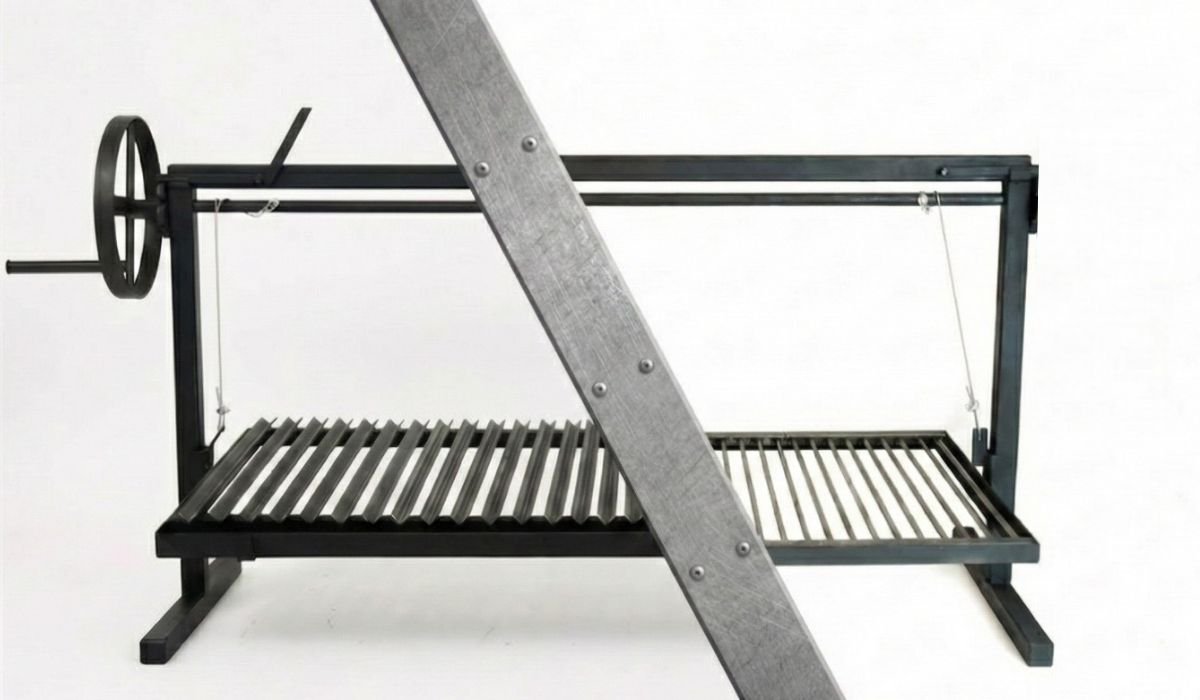
V-Grates vs Round Rod Grill Grates: Your Fire Experience, Unlocked
Recently, there has been a renewed desire for primal, authentic experiences. Open-fire and charcoal grilling have resurfaced as the ultimate way to turn cooking into, rather than a means of surviva...
Leer más
Dejar un comentario
Este sitio está protegido por hCaptcha y se aplican la Política de privacidad de hCaptcha y los Términos del servicio.